
Celebrate Earth Month in Film: Double Feature ~ Recollects Greenmarkets’ Roots at 50 & Premieres PLANTPOP's Arthouse Horticultural Cinema
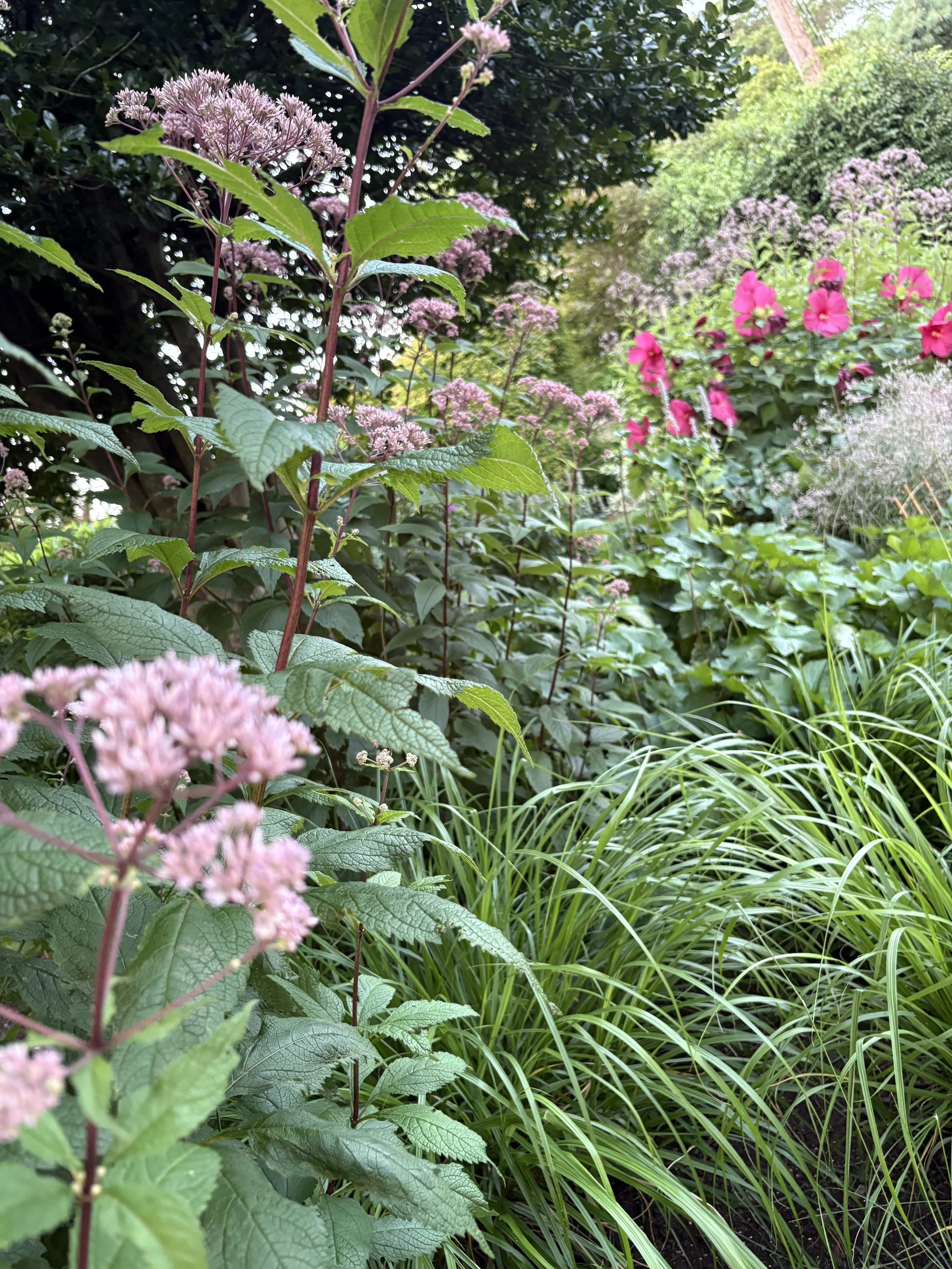
I often quote (who said it I don’t really know) that Garden Art is the slowest of the performing arts. And my features in this post will show you what that means. So grab your popcorn 🍿 I’m sharing a few inspiring and breathtaking ways that plants are being celebrated as the show-stopping stars of any arthouse marquee. Some are documentaries, some are high art, all celebrate the culture and magic of plants and their horti-culture… especially, the art of horticultural cinema. Didn’t see that category at the recent Oscar ceremony? I’m here for you, plant cinephiles. And not a “Rotten Tomato Tomatometer” rating in the bushel!
First Reel
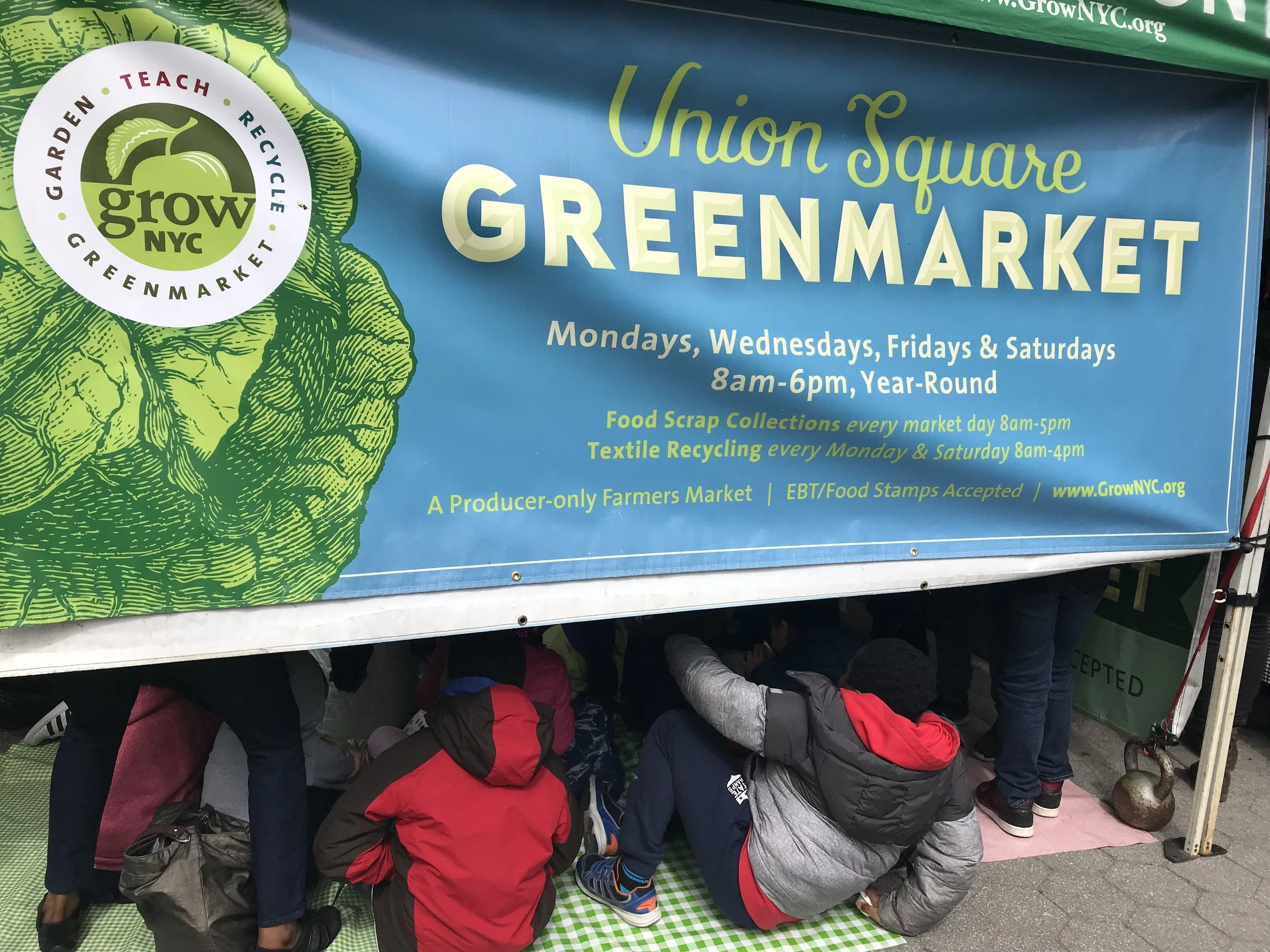
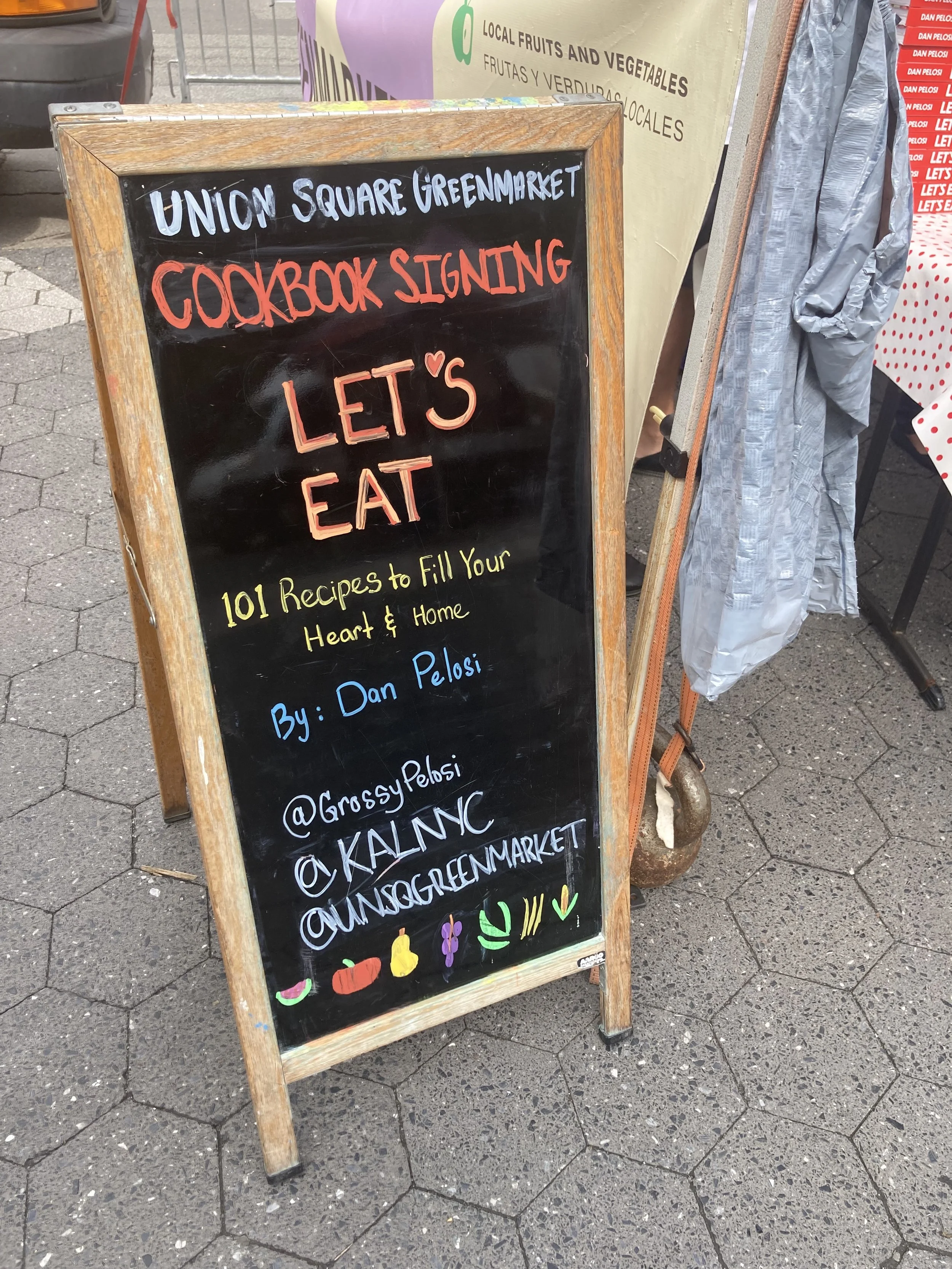
This year marks the 50th Anniversary of Gotham’s Greenmarkets. While those of us living near Union Square, along with the myriad of chefs and home cooks who have long sourced their menus based on what the growers and makers are showing, it wasn’t always this way. As the Greenmarkets note: they’ve been revolutionizing NYC’s food scene since 1976 🍎
It was 50 years ago that city planners Barry Benepe and Bob Lewis, saw three problems riddling the city:
The city’s public spaces were underutilized and idle.
New Yorkers lacked access to fresh, high-quality food.
Local farm businesses were closing at an alarming rate and had no direct way to sell to city residents.
What they’re saying: In early 1976, Barry and Bob dreamed of addressing the city's pressing needs for fresh food, open space, and revitalized urban-rural connections by reintroducing a timeless (but at the time bygone) concept to New York City: the farmers market! By June of that same year, they had acquired enough support to make their dreams a reality.
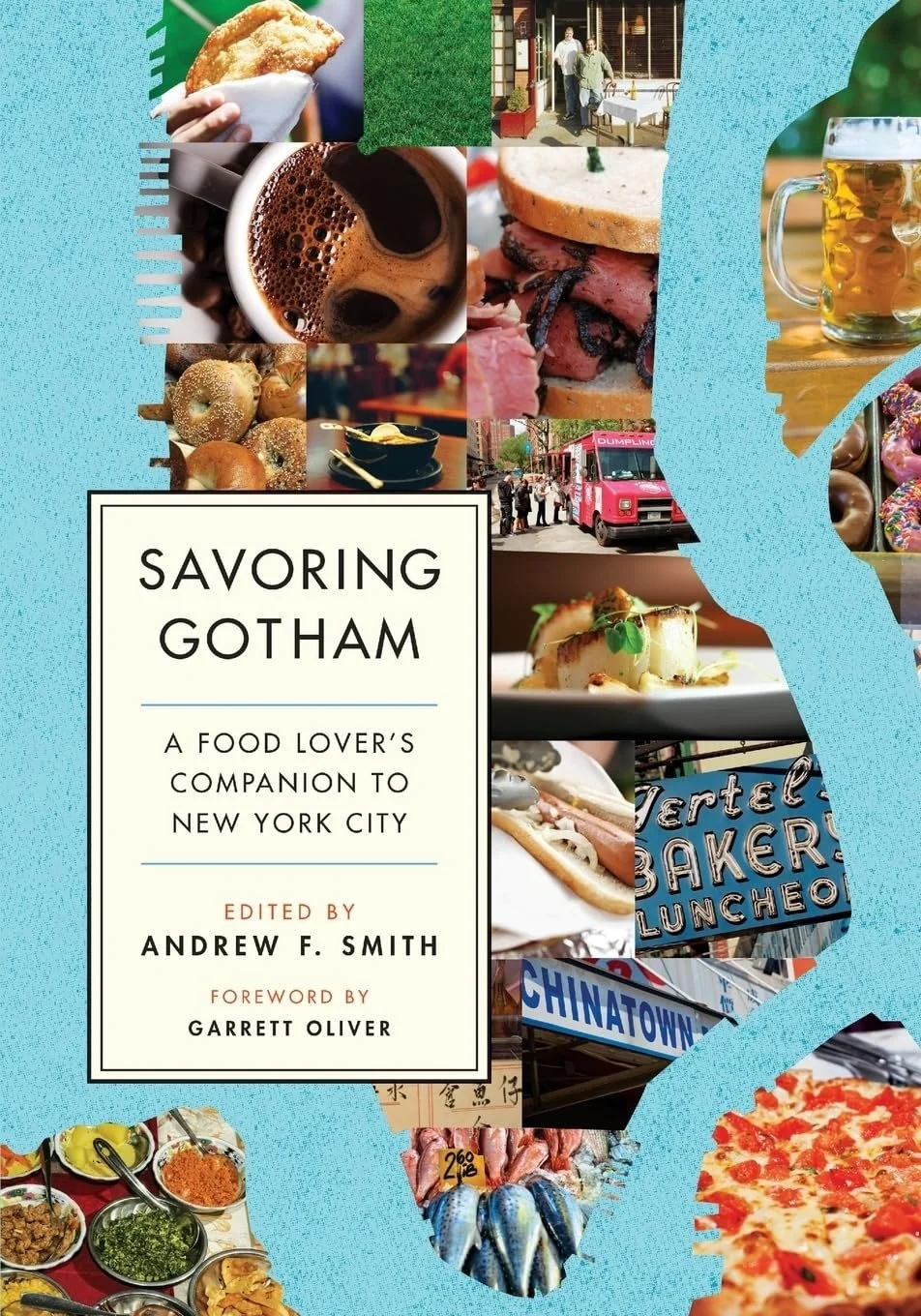
This was a story that was I was always passionate about. In fact, when offered the opportunity back in 2015, to submit stories for an upcoming book, Savoring Gotham: A Food Lover’s Companion to New York City, the history of how the Greenmarkets/Farmers markets came about was top of my list. (The other two chapters I wrote are Farm to Table and Ladies Who Lunch ~ the latter is the inspiration for my monthly videocast: Ladies Who Lunch Conversations.
You can read the other chapters in the Savoring Gotham book.
Why it matters: Today, the vision Barry and Bob had five decades ago lives on and the Greenmarket network continues to reimagine public spaces, connects New Yorkers and regional farmers, and increases access to fresh and flavorful produce.
Please enjoy this documentary feature of the making of the Greenmarket. You’ll love the groovy soundtrack too!
Terrific, right? And here’s my story, based on interviews with Mr. Benepe and Michael Hurwitz. (you can click the link in the title for full feature)
In the 1970s the grassroots idea for New York City Greenmarkets blossomed when Barry Benepe, the father of New York’s Greenmarkets and one of Gotham’s iconic urban city planners, was making a seminal “road trip” through the Hudson Valley with his associate planner, Robert Lewis, where the two were working on architectural development projects. They witnessed decaying family farms despite being blessed with a world-class agricultural cornucopia. Developers were buying up farmland for America’s burgeoning suburbia. Envisioning a direct food connection from upstate to New York City, Benepe and Lewis linked the local farmers’ plight with the crisis in town, where residents had difficulty finding healthy, locally grown, seasonal ingredients.
Yet, in many ways, it was Mayor Fiorello La Guardia’s ban on the city’s beloved food pushcarts in 1938—intended as a pivot toward “clean,” sanitized indoor markets—that started the inexorable journey that gave rise to today’s Greenmarkets. That same year the First Avenue market launched, and Essex Street’s indoor market opened in 1940. Soon, supermarkets sprang up. See essex street market; la guardia, fiorello; and supermarkets.
The concept was to transform “dirty” peddlers into clean merchants with an organized business and prices. In other words, the city wanted to “professionalize the peddlers.” It was an obsession of La Guardia’s—he viewed them all as a sanitary threat—from flower vendors to the Good Humor man.
Karen Seiger, author of Markets of New York City: A Guide to the Best Artisan, Farmer, Food and Flea Markets, explains that the endurance of indoor ethnic markets was due in large part to nostalgia for the people who seek out the foods of the old country. But the indoor, “sanitary” markets did not work for farmers who needed to back their trucks right up to their tables to unload and restock. Too much time and labor were needed that would render their already too slim margins nonexistent if they could not deliver their food directly.
In order to get outdoor farmers’ markets operational, Benepe and Lewis wrote a proposal for a seven thousand–dollar grant. Benepe recalls, “The Foundations we talked to said the city isn’t capable of doing this and suggested we find a private non-profit to sponsor financing so we re-wrote it and asked for $35,000 with a plan to run it ourselves and garner a nonprofit sponsor—as part of the existing Council on the Environment of New York City.”
First stop: Jack Kaplan, Welch Grape Juice Company owner. Kaplan immediately embraced the farmers’ market concept, committing funds and talent; his wife, Joan Kaplan, served as Greenmarket president for seven years. In early 1976, with major underwriting from the J. M. Kaplan Fund, a ten thousand–dollar investment got plans ramped up for the Greenmarkets.
Benepe and Lewis served on the Council on the Environment, which eventually became GrowNYC. Its board was made up of many city agencies and the mayor—Abe Beame at that time, which made it easier to get city approvals. See grownyc. While Benepe worked the city agencies, securing permits and navigating policy politics, Lewis was busy searching for farmers, county by county, to enlist New York and New Jersey growers to participate in their Greenmarket concept. They worked through county cooperative extension agents, who worked directly with farmers; and they worked with New York State’s direct marketing bureau, which had connections with farm stands and pick-your-own operations.
In July 1976, the first Greenmarket opened on the Upper East Side at Fifty-Ninth Street and Second Avenue in a vacant lot used by New York police to park their cars. It was the first of its kind in New York City since 1935. Benepe and Lewis unlocked the gates for sixteen farmers and their trucks at 6:00 a.m.; by noon they had sold everything. The two quickly realized guidelines were needed so as not to be seen as a “pass-through” produce market. They needed to establish a “locally grown” benchmark.
According to Benepe, they arbitrarily chose 250 miles because that was roughly where upstate New York’s growing region was located from the center of town. Drawing a radius around New York City, “local” extended as far south as Delaware. They also required that growers have 25 percent of their own produce “on-table” with fruits and vegetables grown by the farmer or nearby grower. And the goods sold could not be found elsewhere in the market. Eventually, the guidelines were expanded to sell dairy, spirits, and wine.
Two more markets opened that same summer: one at Brooklyn’s Flatbush and Atlantic Avenues and another at Union Square. In time, they expanded to fifty-four markets, over 230 participating family farms and fishermen, and more than thirty thousand acres of farmland protected from development. Gotham got its greater share of local produce. Growers and makers proliferated, benefiting from the cross-pollination of culinary concepts and homegrown ingredients.
Benepe and Michael Hurwitz, director of Greenmarket, GrowNYC since 2006, describe the human interaction at Greenmarkets as “Wonderful—allowing citizens to engage with farmers, chefs and each other.” Greenmarkets delivered on the vision to provide fresh, healthy, locally grown food from regional, family farms direct to citizens. According to Hurwitz, demonstrating urban and rural linkages is crucial: “The health of the city is directly linked to that of the rural communities.
That was then, this is now.
Second Reel
I discovered PLANTPOP at the recent Philadelphia Flower Show, where Bill and I encountered one of their films on a big screen in a mini theater (dare I say a pop-up?!), with a rapt audience of all ages clearly engaged. Mesmerized.
What was this PLANTPOP?
In their words:
PLANTPOP seeks to tell the stories of real people and how plants have impacted their personal lives. We do this by investing our time in research, our own personal study, and by engaging with our subjects. Our goal is for every film subject to answer the question, “How have plants impacted my life?”
The enterprise is firmly rooted in plants and growing plants. Arthur L. Parkerson, the visionary behind PLANTPOP and his family’s Lancaster Farms, wrote about his pedigree in horticulture, with his father pioneering starting his wholesale nursery in 1969, growing plants in containers.He has extended that homage to what he describes as a “calling” to honor the plants - and the people who love them by practicing the art of horticultural cinema.”
The organization is a refreshing link to celebrating the wonder of plants in an art form that can too often be out of reach, unlike photography or botanical art that captures the plants’ beauty and life in a more pronounced or static way.
PLANTPOP urges all of us to:
Get Involved
Be a viewer. It’s easy. Watch our films! Share. Pass it on. Tell others about what we’re doing. Comment and tell us what you think.
Be a contributor. All we can offer is thanks and credit. But we need stories, people to interview and places to visit. Help us craft our message and our vision. Be a go-to source for us to bounce ideas off of and to answer our questions. Invite us to come film you and your story.
Be a partner. Help us make our films. Help us promote them, and expose our work to a larger audience. Help us secure resources.
I readily admit, I was weepy, with tears streaming down my face watching their time-lapse film of flowers blooming. Yes, yes, I am a certified cry-baby but I double-dare you not to collapse while watching this heart-clutching film of the wonder and awe of flowers as they open their majesty to us (and to their pollinators, of course)…
PlantPops: A new vision for horticultural cinema.
The PLANTPOP web site features a Film section and a Portraits chapter where stellar story tellers have created films. I love their watercolor screen background, as well.
There are many horticultural film stories here that you can view.
A few I’ll mention here got my five star rating:
Charline P Charline Pritscaloff, Best Craftsman of France competition tells her story and journey to becoming an award-winning floral designer ~ florist. It’s in French with English subtitles. Tant mieux.
PlantPops: A new vision for horticultural cinema.
Another film I found just so charming and delighteful is Gordon Ballard’s story. Gordon tells us wthat “To an every day gardener: The phrase ‘too many’ doesn’t exist for some people when it comes to plants. Gordon Ballard strongly believes that every gardener should have an excess of plants just waiting to find their perfect home.
“You're not a true gardener unless you have about 30 or 40 pots sitting around your garden waiting to find their place in the garden.”
His garden is a connecting, sharing, people-place where they entertain, pass on plant tips, and just bask in the wonder of their “little hideaway.”
He describes that euphoric feeling of being in the garden… How his passion is to share his garden with his neighbors and friends. Not surprisingly, he relates how his grandparents engaged him and got him interested in gardening at a young age. This surely is an example of how we can all work to help Prevent Plant Blindness. (Regrettably, it’s a real thing…)
PlantPops: A new vision for horticultural cinema.
Maybe the best we can do in this season of hope and renewal is to pass on our love of nature ~ Our passion for the miracle of growing and paying homage to our beloved plants.
I hope you enjoy this Double Feature showcasing the artful glamour of viewing plants and their starring role in films. And if you’re a (ahem) budding plant film maker, get in touch with PLANTPOP. See you at the cinema and the Greenmarket.
Happy Spring.
Love,
Leeann ~ Garden Glamour
