Frankincense: A Gift of the Magi Story Retold Through the Lens of a Sacred Plant
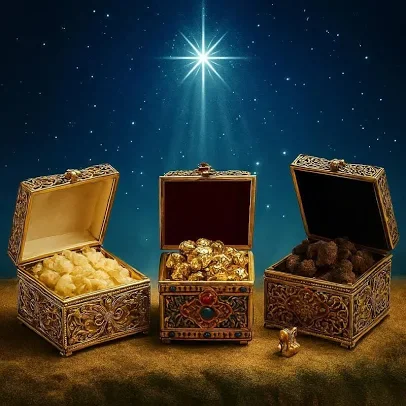
One of my most favorite and respected guests that I’ve had the pleasure and honor to interview for my videocast, Ladies Who Lunch Conversations, is Doctor Cassandra Quave, Professor at Emory University School of Medicine leading drug discovery research on natural products. I’m always so fascinated by Dr. Quave’s writings and her Foodie Pharmacology podcast ~ along with her other social media. Yet her recent Substack post about Frankincense is such a topical Christmasl one; but at the same time I bet that most of us don’t know much about this mystical plant ~ so that I was prompted to take up her offer to share the post. Most of us know the story of the magi bringing gifts of gold, frankincense, and myrrh to the baby Jesus. Frankincense symbolizes Divinity; honoring the sacred and holy power. Then too, I am especially intrigued about Dr. Quave’s exciting overview of the ancient, aromatic resin because the frankincense plant is used in perfume ~ a subject I’m passionate about; along with its medicinal use, especially its anti-inflammatory and anti-cancer use (Dr. Quave references) and the immune boosting capabilities, along with skincare. Frankincense is recognized for a rich, woody scent that I particularly appreciate, along with its earthy spicy and smoky base notes.
Even its name is mystical. I learned it comes from Old French, and it means "high-quality incense."
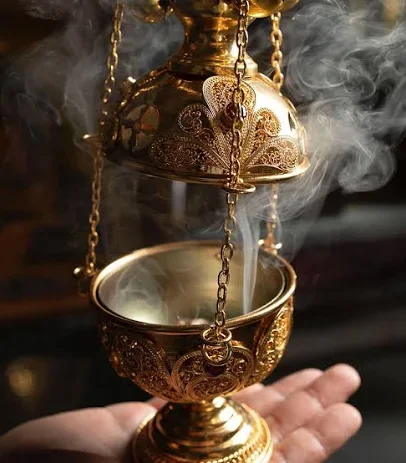
Humans have burned incense in religious rites for millennia ~ in all faiths and indigenous ceremonies. The burning symbolizes our spiritual connection to the goddesses and gods. It creates a purifying, sacred place.
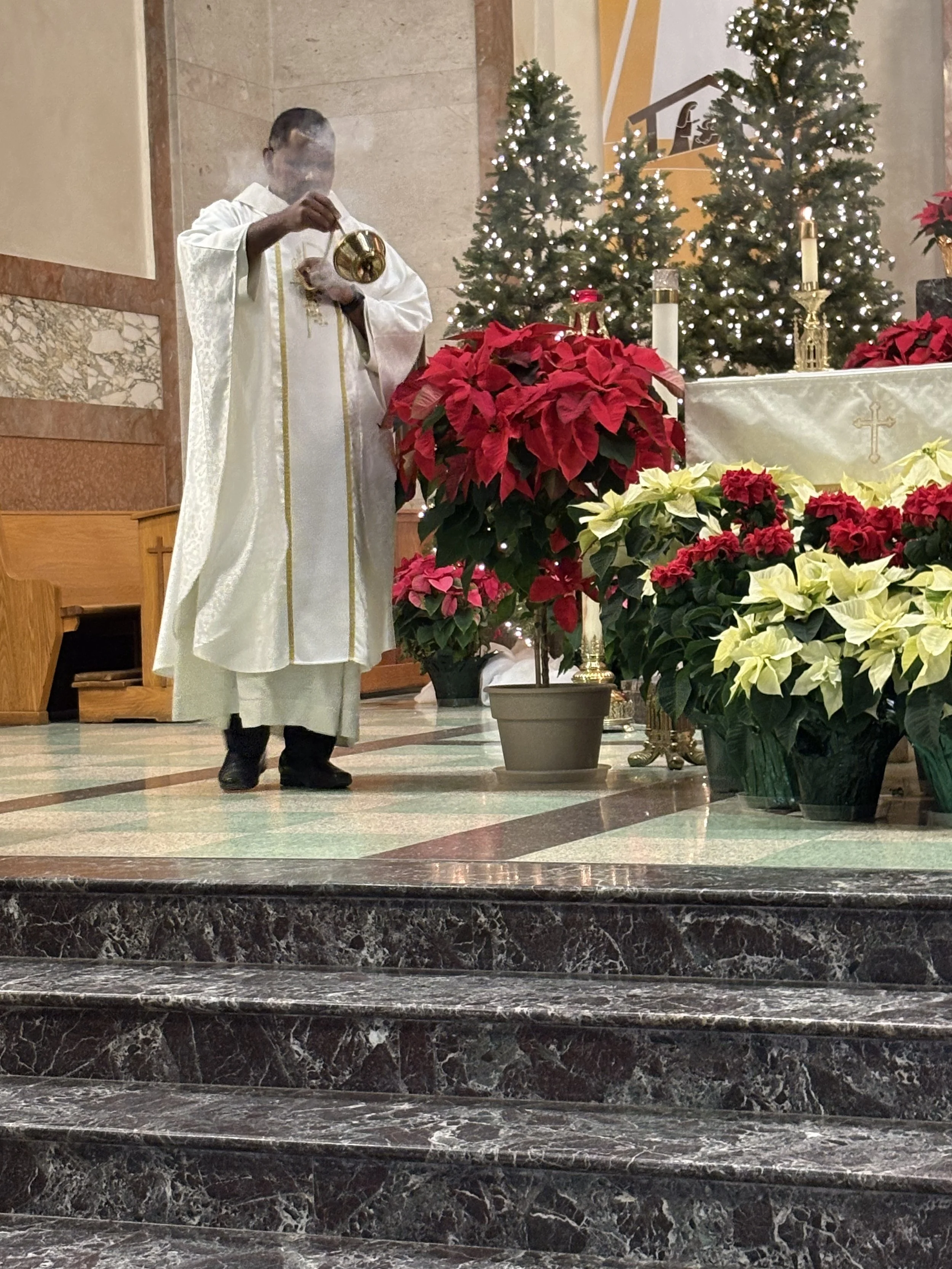
As I watched my priest generously share during our Christmas mass, I reflected on how it’s been long believed that the smoke rises to the heavens ~ visually representing our prayers, intentions, or souls ascending to heaven or higher powers. Research notes it’s a “sensory bridge (I love this analogy) between the earthly and spiritual realms, widely used across cultures for meditation, rituals, and creating sacred space by cleansing negative energy and carrying intentions upward. Its rising smoke represents prayers ascending to heaven (Revelation 8:4), while the fragrance signifies devotion, holiness, and the eradication of negative thoughts or sins, fostering mindfulness and good karma.”
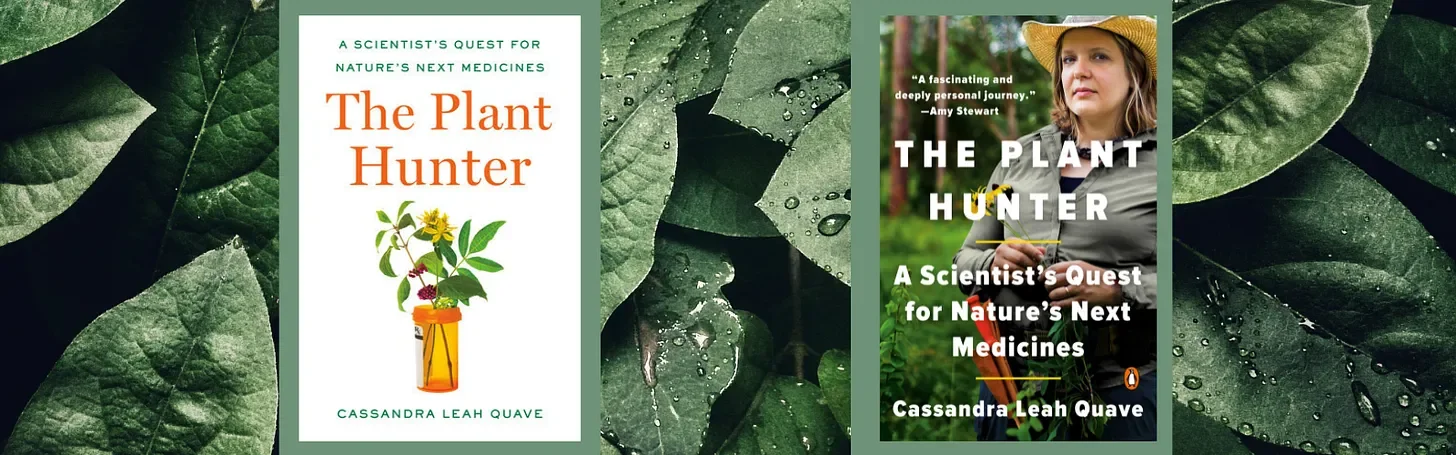
Here, I wanted to not only share Dr. Cassandra’s brilliant insight into this miraculous plant and its overweighted but little understood mythology, as she has generously offered in her Substack post, but to encourage you to subscribe and to follow her on her other platforms: She is the award-winning author of THE PLANT HUNTER: A Scientist's Quest for Nature's Next Medicines, Co-creator & host of the Foodie Pharmacology podcast. She just has so much to teach us about the endlessly, beguiling, enriching world of plants. A true “she-roe.”
Let’s get to it, shall we? Here is Dr. Cassandra Quave’s gift to us about the gift of the magi’s frankincense.
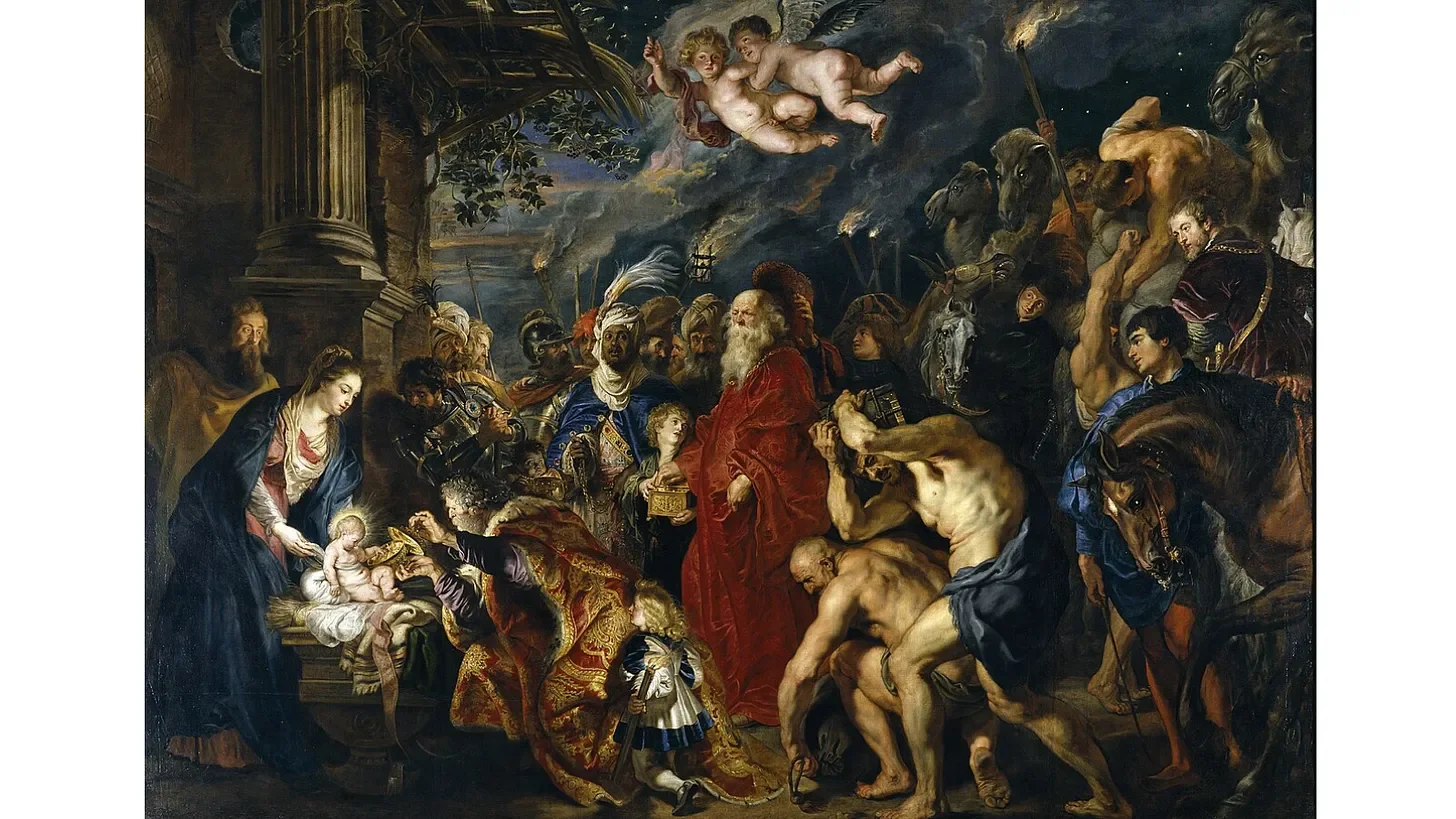
“A sacred resin whose story spans ritual, trade, and modern medicine.
This Christmas Eve, I thought it might be nice to feature a plant that holds an important place in the Bible’s Nativity story. Offered alongside gold and myrrh, frankincense was a highly valued gift in the ancient world. The Magi who brought these gifts to Jesus are figures often described as wise men, astrologers, or scholar-priests from the East. The Magi likely belonged to learned priestly traditions of Persia or Babylon, cultures where astronomy, medicine, and ritual were deeply intertwined.
And when they were come into the house, they saw the young child with Mary, his mother, and fell down, and worshipped him: and when they had opened their treasures, they presented unto him gifts; gold, and frankincense and myrrh. —Matthew 2:11, King James Version of the Bible
At the time of the gift, frankincense was among the most valuable commodities moving along ancient trade routes that linked southern Arabia and the Horn of Africa with the Mediterranean world. It was prized as an incense burned in temples and sanctuaries, where smoke was believed to carry prayers upward and mark the boundary between the earthly and the divine. To offer frankincense was to acknowledge holiness.
What is Frankincense?
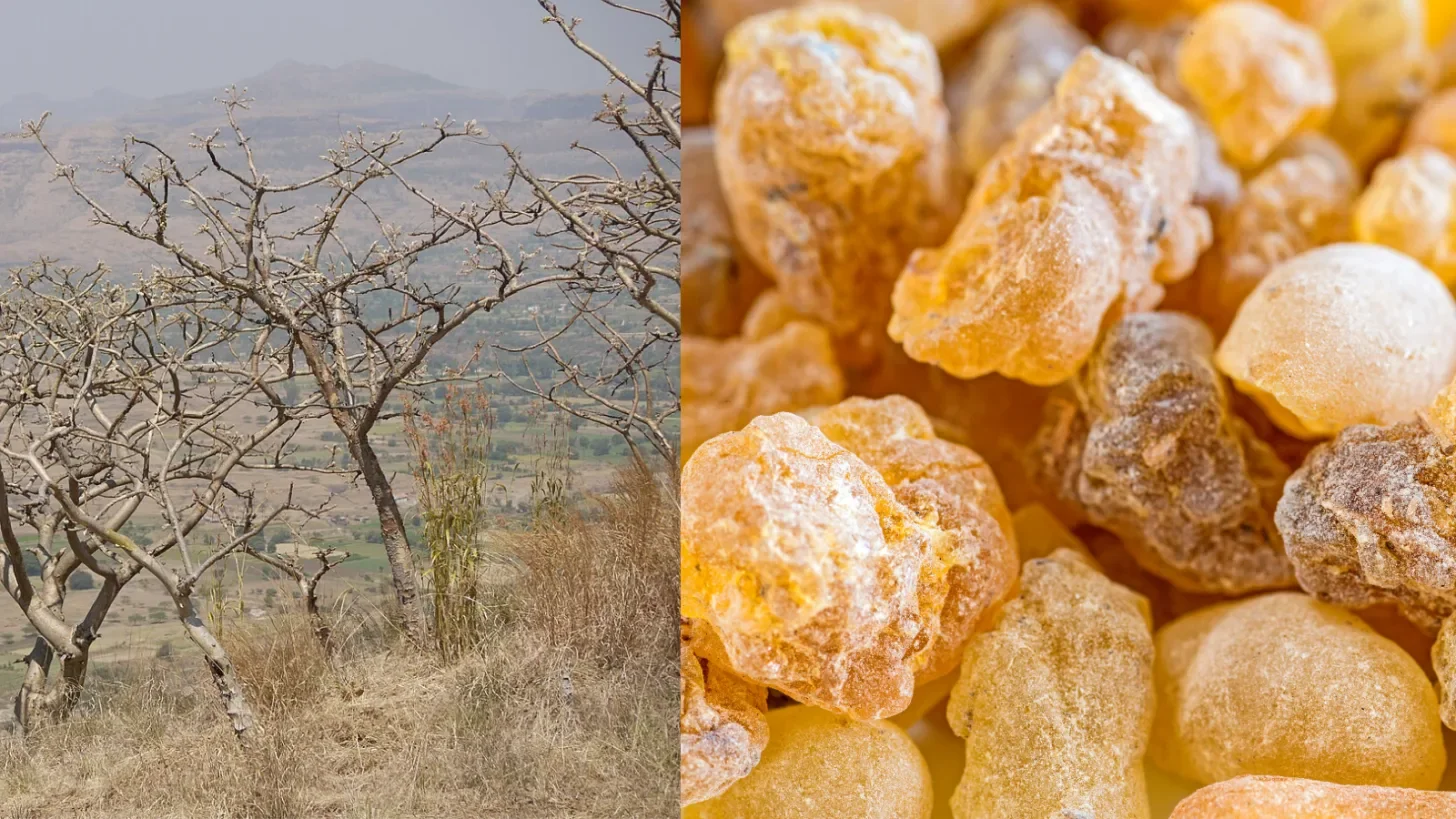
Frankincense is the dried resin collected from the frankincense tree, which may refer to any number of Boswellia species. LEFT: Boswellia serrata tree. By Dinesh Valke from Thane, India - Kungilyam (Malayalam: കുങ്ങില്യം), CC BY-SA 2.0, SOURCE. RIGHT: The dried “tears” of the frankincense tree.
Frankincense is the aromatic dried oleo-gum resin extracted from the bark of trees in the Boswellia genus (Burseraceae family). When the bark of these trees is carefully cut, a milky sap oozes out and hardens upon exposure to air, forming pale yellow to amber resin “tears” that are harvested after several weeks.
Although more than two dozen Boswellia species exist, only a handful are used commercially for frankincense production today. The most important include Boswellia sacra (Arabian frankincense, primarily from Oman and Yemen), Boswellia carterii and Boswellia frereana (largely from Somalia), Boswellia serrata (Indian frankincense), and Boswellia papyrifera (from Ethiopia, Eritrea, and Sudan). These trees thrive in arid, rocky landscapes where few other plants can survive, often growing on cliffs or shallow soils. (I’ve added these two images of the tree and the tapper’s incision to get to the resin ~ Dr. Quave has a YouTube video in her post)
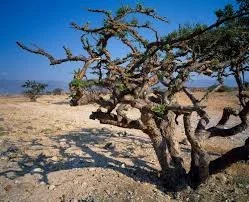
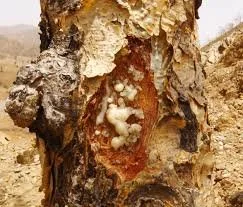
Harvesting frankincense is a skilled practice. Tappers make shallow incisions in the bark using traditional tools, allowing resin to exude slowly. Overharvesting or improper tapping can damage trees and reduce regeneration, making sustainability an increasing concern as global demand rises.
Phytochemistry of Frankincense
Like many other plant resins, the chemical makeup of frankincense is chemically complex. Overall, the resin is made up of three main fractions: an essential oil component, a water-soluble gum, and a resinous fraction rich in terpenoids. Across species, approximately 5–9 percent consists of volatile oils, 6–30 percent of gum polysaccharides, and up to 85 percent resin.
The volatile oil fraction contains monoterpenes and sesquiterpenes such as α-pinene, limonene, myrcene, and incensole derivatives, which contribute to frankincense’s characteristic aroma. The resin fraction is dominated by pentacyclic triterpenes, most notably boswellic acids. Among these, acetyl-11-keto-β-boswellic acid has attracted particular attention due to its potent biological activity.

Incensole is a diterpene alcohol found in frankincense resin. Archaeologists have used this molecule as a chemical marker to identify ancient trade routes and remnants of pots where frankincense may have been used as incense and medicine.
In total, more than 100 distinct phytochemicals have been identified across Boswellia species, with composition varying based on species, geography, and harvesting methods. This chemical diversity helps explain why frankincense sourced from different regions can smell, burn, and behave differently in medicinal contexts
Pharmacological Activities of Frankincense; Antimicrobial and Anti-cancer Properties
Laboratory studies on frankincense have found antimicrobial activity against a range of bacterial and fungal strains, as well as antiproliferative effects in cancer cell lines, including induction of apoptosis and inhibition of topoisomerases. Antioxidant activity has been observed, though results vary depending on extract composition and assay system.
Anti-inflammatory Properties
The anti-inflammatory properties of frankincense have been subjected to more extensive study. Boswellic acids have been shown to inhibit 5-lipoxygenase (5-LOX), a key enzyme involved in leukotriene synthesis and inflammatory signaling. Unlike many anti-inflammatory compounds, boswellic acids act as non-redox, noncompetitive inhibitors, a property that has generated interest for chronic inflammatory conditions.
Extracts of Boswellia serrata and isolated boswellic acids have reduced inflammation in rodent models of arthritis, colitis, and neuroinflammation. Immunomodulatory effects have also been reported, including altered cytokine production and effects on macrophage activity.
Standardized frankincense extracts have been evaluated in small clinical trials for osteoarthritis, inflammatory bowel disease, and multiple sclerosis, with some studies reporting reduced pain, improved function, or decreased inflammatory markers. These trials are generally small, and not all results are consistent. More research is needed.
According to the NIH, “Boswellia is likely to be safe when taken orally. Boswellia serrata extract in doses up to 1,000 mg daily has been safely used in several clinical trials lasting up to 6 months. It has also been used with apparent safety at a dose of 2,400 mg for up to 1 month.”
The Takeaway
Whether or not one approaches frankincense through the lens of faith, the story of frankincense shows us that plants long revered for symbolic or spiritual reasons may also possess biologically active chemistry. Today, modern science is beginning to reveal some of frankincense’s pharmacological properties, particularly its anti-inflammatory activity, while also revealing the limits of what we know. Much of the strongest evidence still comes from laboratory and animal studies, with human trials offering cautious promise rather than definitive conclusions. I hope that future clinical studies can help fill this knowledge gap so we can better understand the healing potential of this ancient remedy.
To those who celebrate, wishing you a very Merry Christmas!
Yours in health, Dr. Quave”
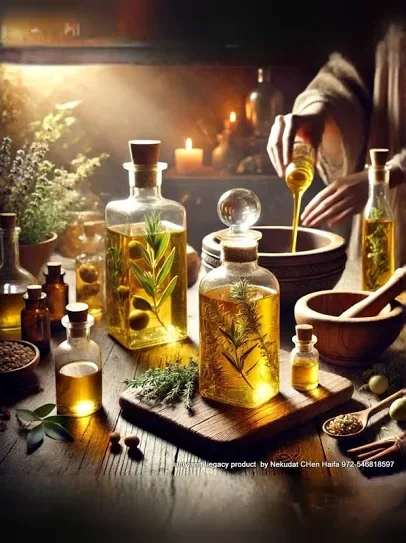
I hope you all enjoyed learning about the magical, mystical frankincense as much I did. Thank you so much, Dr. Quave. Plants are so intoxicating. So beneficial. So glamorous…
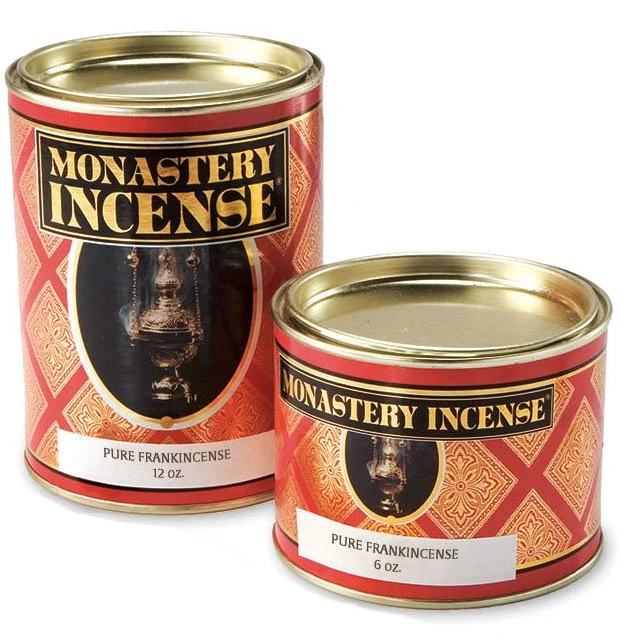
If you are interested in experiencing frankincense, I found a source if you’d like to burn this exquisite fragrance. The seller claims that it is “the great classic amongst church incense ~ the best of Somali frankincense. Popular for centuries in Eastern Orthodox, Catholic and other churches, this incense is slow burning.” There are many sources you can find on the internet for the tears and the oils, including Etsy.
Burning the frankincense or using the oils in a diffuser wards of negativity, enhances purification, calm, focus, and grounding. We could all use more of this, especially to help us navigate the chaos around us.
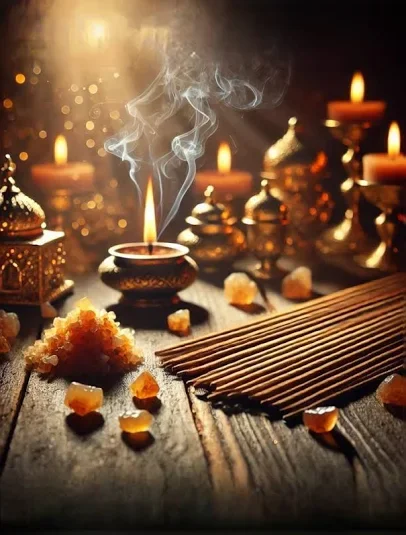
Wishing you all the peace, harmony, spiritual connection, and good karma that this magical, mystical plant brings to our world…
P.S. Here’s the link to view my Ladies Who Lunch Conversation with Dr. Cassandra Quave from two years ago. I think you’ll enjoy our talk about her astonishing life journey ~ so far. And you can purchase her book, The Plant Hunter here, or wherever you source your books.