
Marking September 11th’s Grief Anniversary Reminds Us How To Cope & Honor Loss With Love & Dignity

What is Grief? Grief is both personal and collective. Grief is natural. Grief is emotional.
Grief is a physical and a psychological reaction to loss. Most closely associated with death ~ of a loved one, (or a pet) ~ yet it can also follow the end of a marriage, losing your job, or your dream ~ when we experience an epic trauma, grief is how we cope with that loss.
Ultimately, Grief is Love.
But how to cope with the melancholy, heartache, the feeling of being untethered or unmoored?

As we mark the 25th Anniversary of September 11, an event that marks a profound, lasting collective mourning and loss for our nation as well as the world, I am moved to reflect that we need to better address the state of grief and embrace coping mechanisms to manage grief.
I am a certified Death Doula and hold the belief that we need to prepare and practice holding grace for death and what it all means in our lives. If you’re not familiar with what a Death Doula is, this is the definition provided by the international association: End of Life Doulas provide personalized and compassionate support to individuals, families, and their circles of care as they encounter and navigate death, loss, and mortality. An end-of-life doula advocates self-determination and imparts psychosocial, emotional, spiritual, and practical care to empower dignity throughout the dying process.
I focus on the dignity, the compassion, and the love.
As a resident of Lower Manhattan, September burns softly in my and Bill’s memories. As it does for so very many of us. So today, after a quarter of a century, we ask, how to balance the memory, the respect, the lessons we learned, and for holding the grief, but also embracing the magical gift of life. How to feel that we are not betraying a solemn memory by the sheer act of continuing to live…
For every loss, there is a unique way of mourning and grieving. Yet, grief is universal.
I’ve inculcated one of “All There Is with Anderson Cooper” guest’s admonishments where she explains that a death changes our relationship with our loved one. They are not with us physically, but they are indeed with us spiritually, emotionally. And for that, I suggest we manifest gratitude.
The love we have is a continuation of the compassionate connection we have to those who are not with us in the mortal sense ~ however, the heart-felt love remains. Like any good relationship, it changes. It evolves. There is no timeline for managing grief even if the mourning has passed. Other guests on Cooper’s podcast advocate to accept that grief is not a problem to be solved. Good advice.
I often say that there is no closure. So don’t seek or follow that worthless quest. Personally, I’ve always abhorred the concepts of “moving on” and “closure.” You can never stop loving that person (or that pet.) Love endures; therefore you can’t just “get over” the loss of a loved one.
Coping
How do we get to a place that we can feel more in control of what a severe or traumatic loss has unleashed on us?
In the tradition of community, your faith is there to lift you up and hold you.
Attend services, mark significant dates in a way that brings comfort whether it is in a connected support group, or ceremony, or even in the solitude of a guided kind.
Honoring our loved ones with flowers brought to the grave, a donation to a charity in their name, or lighting a candle in church,
Don’t hesitate to reach out to your community, your friends and family. Perhaps you will be called to serve your community in a volunteer or public service role.
Be good to yourself ~ no judgements
The food you turn to for comfort. Think about what foods you and your loved one shared. And what foods and drinks make you cheerful. Prepare foods that will make you healthy.
The self-care rituals that you implement can literally save your life ~ yoga, walking ~ especially in nature, and embracing the miracle of beauty and life found there.

In my Garden Glamour chapter, The Art of Dying you will find a number of articles that I hope will give you comfort in managing grief. Specifically, I wrote this piece when mourning the unexpected death of a young family member.
Of course, as a garden designer and plant lover, one of my hopes is that Nature will provide you with a kind of unique or unmatched, nurturing solace. You can visit your neighborhood garden, or park, or botanical garden.
At the same time, I urge you to consider creating a Healing Garden.
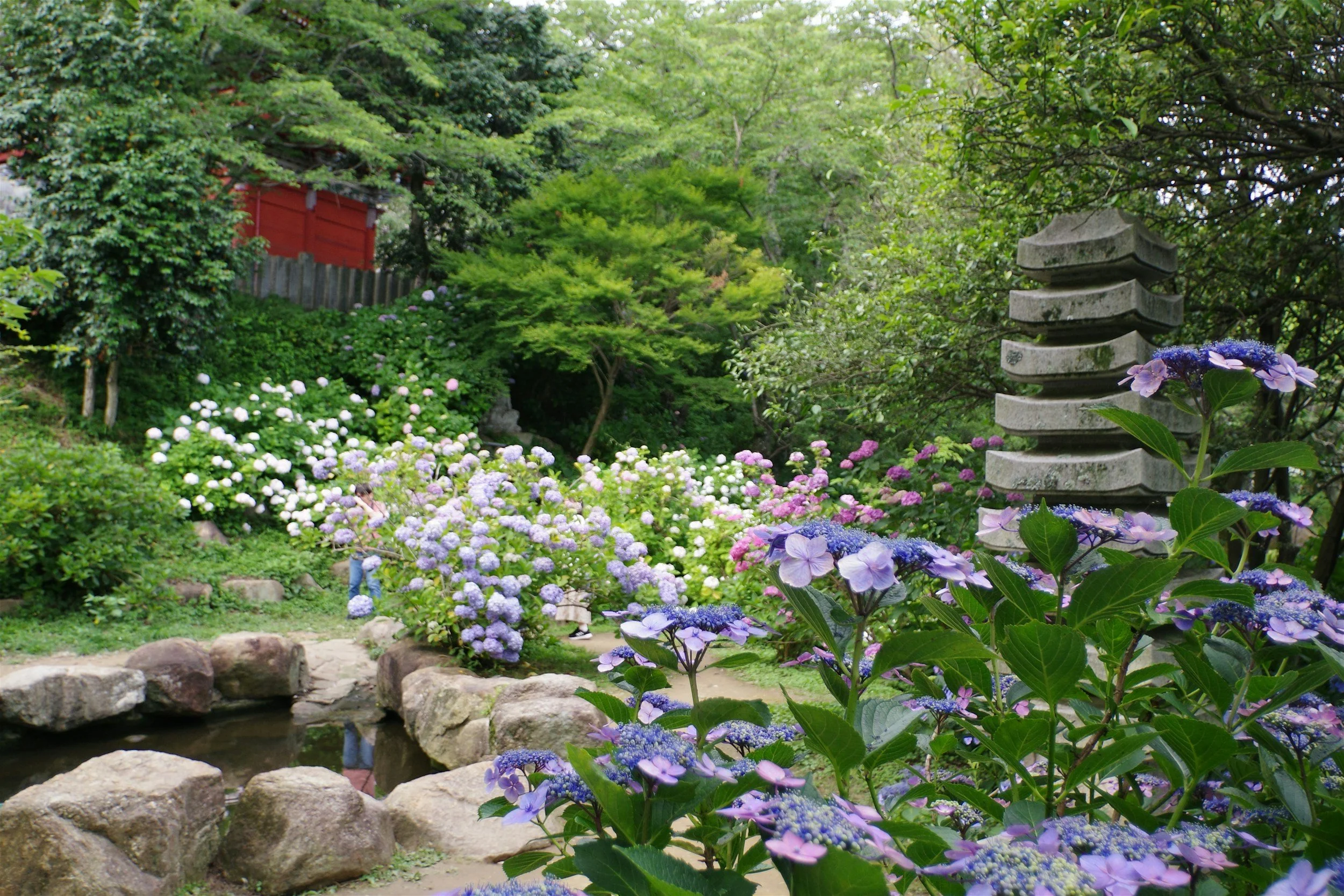
The Garden will be a sanctuary ~ a safe and loving space you can turn to. Your Healing Garden can be any size that works for you. It just needs to bring you joy and peace.
One of the defining ideas behind how to design a healing garden is that the space reveals itself as you move through it, that it feels like a warm embrace when you decide to stop and take in the space.
A Healing Garden that is designed with intention should reduce stress and anxiety, help you focus on feeling calmer, and improve the quality of your sleep. In addition to being a wonderful place to spend time with your morning coffee or tea; an afternoon break; or evening restoration before supper or bedtime.
Elements to Consider when Designing a Healing Garden
Choose your location: Community garden, or patio pots, a stoop, or suburban yard layout or even window boxes.

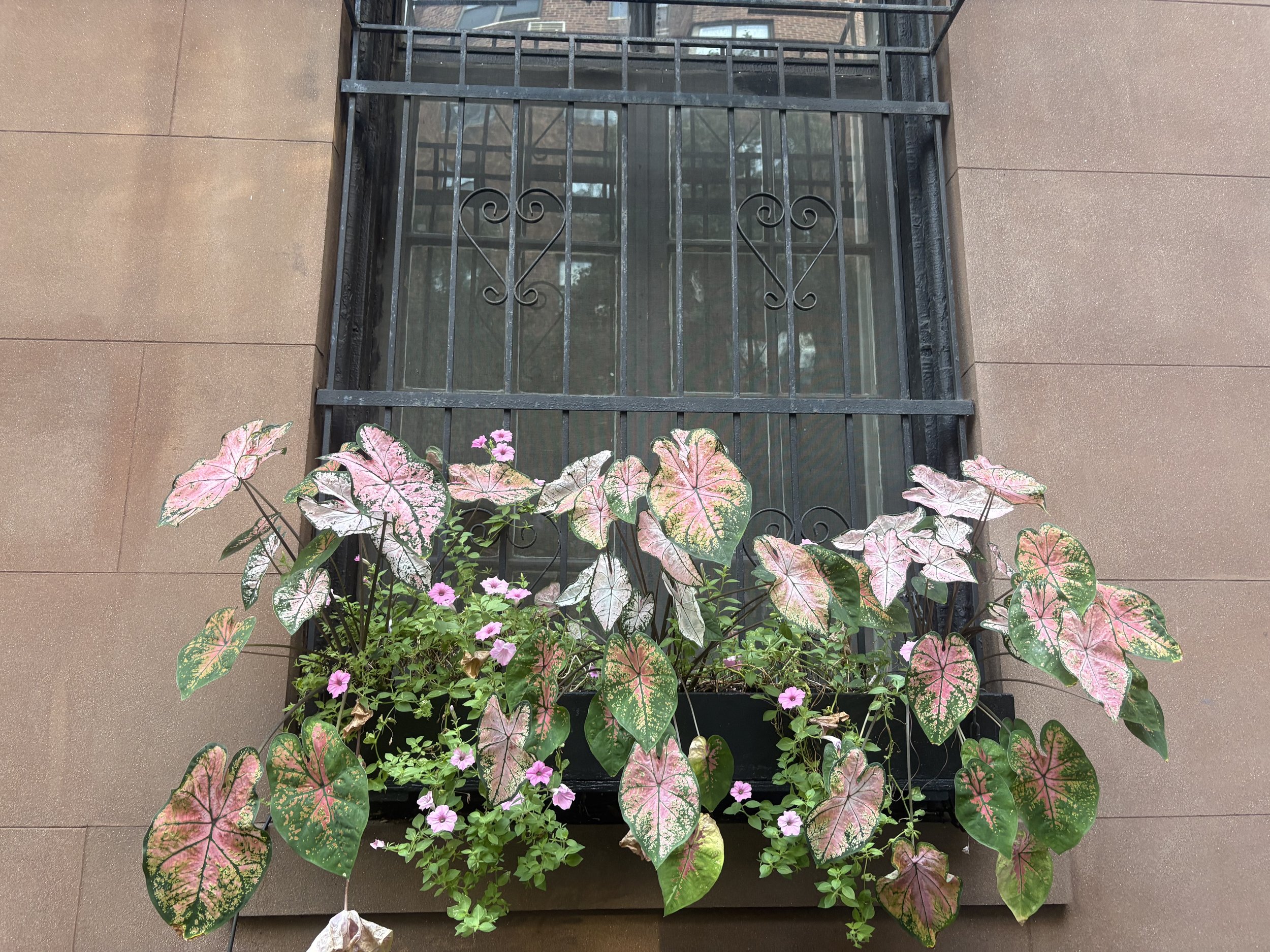
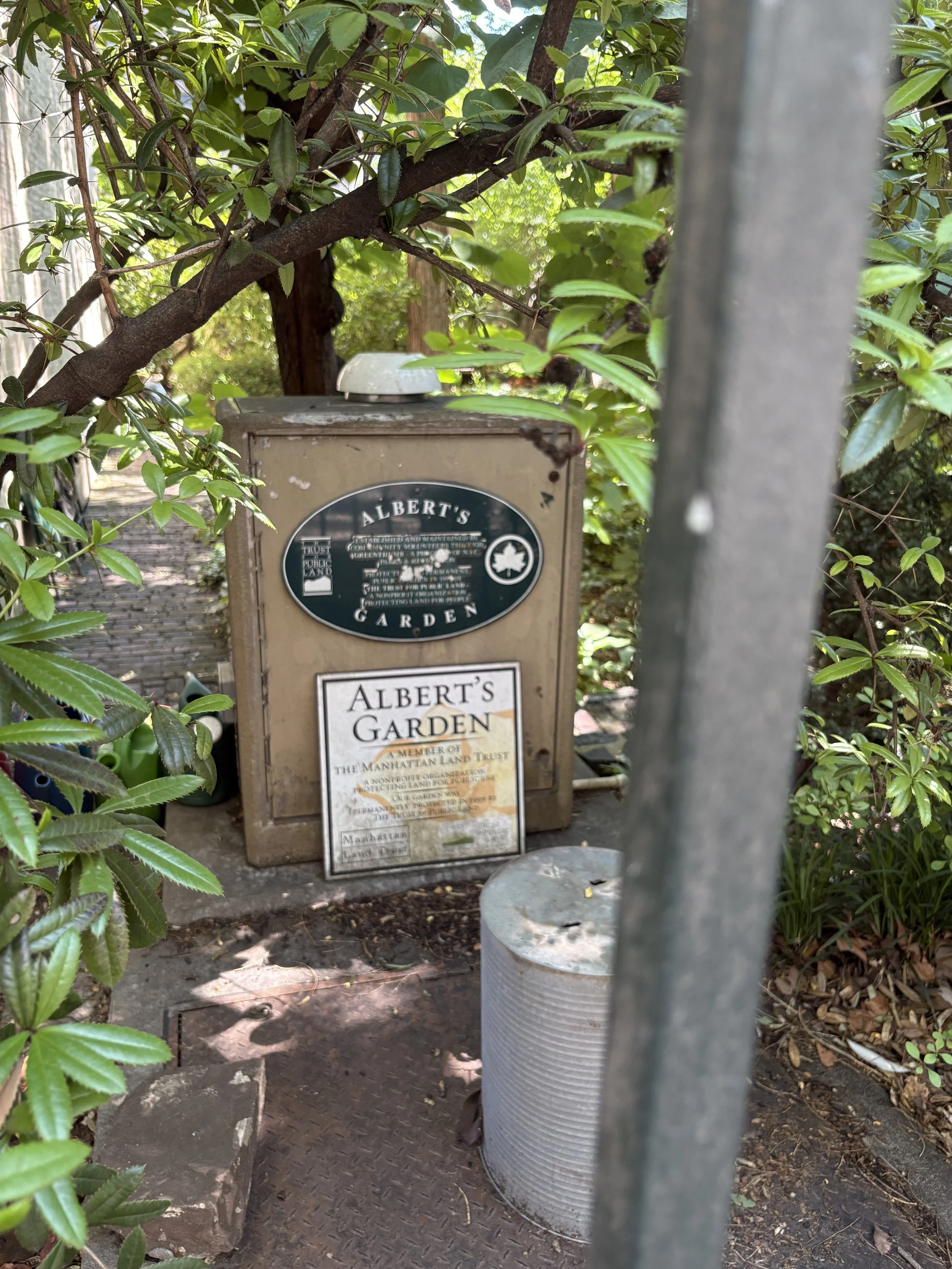
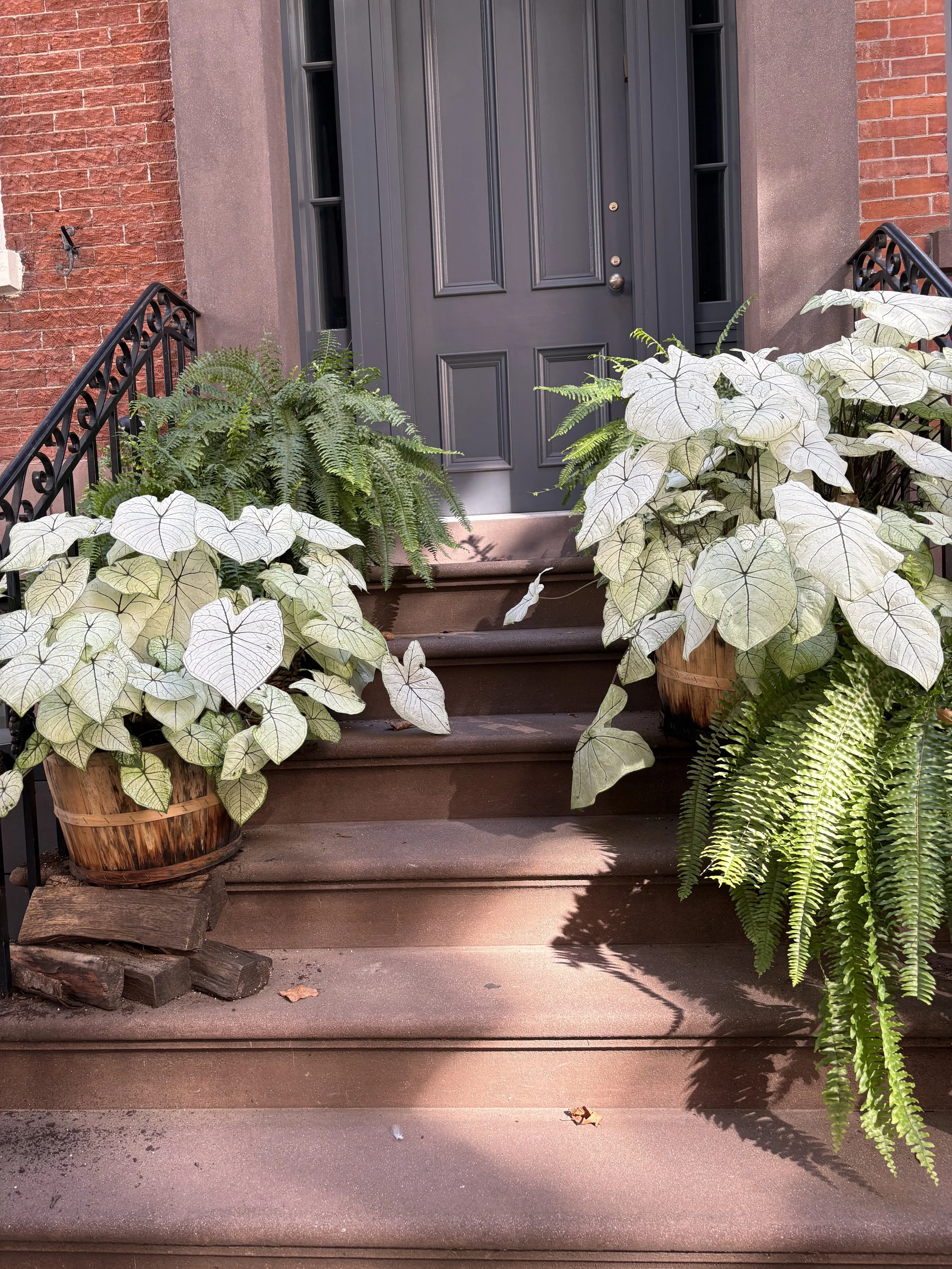
Assess the size and the elements you’ll need: plants, of course; stones, rocks, gravel or pavers for pathways to encourage and accommodate mindful, meditative walking.
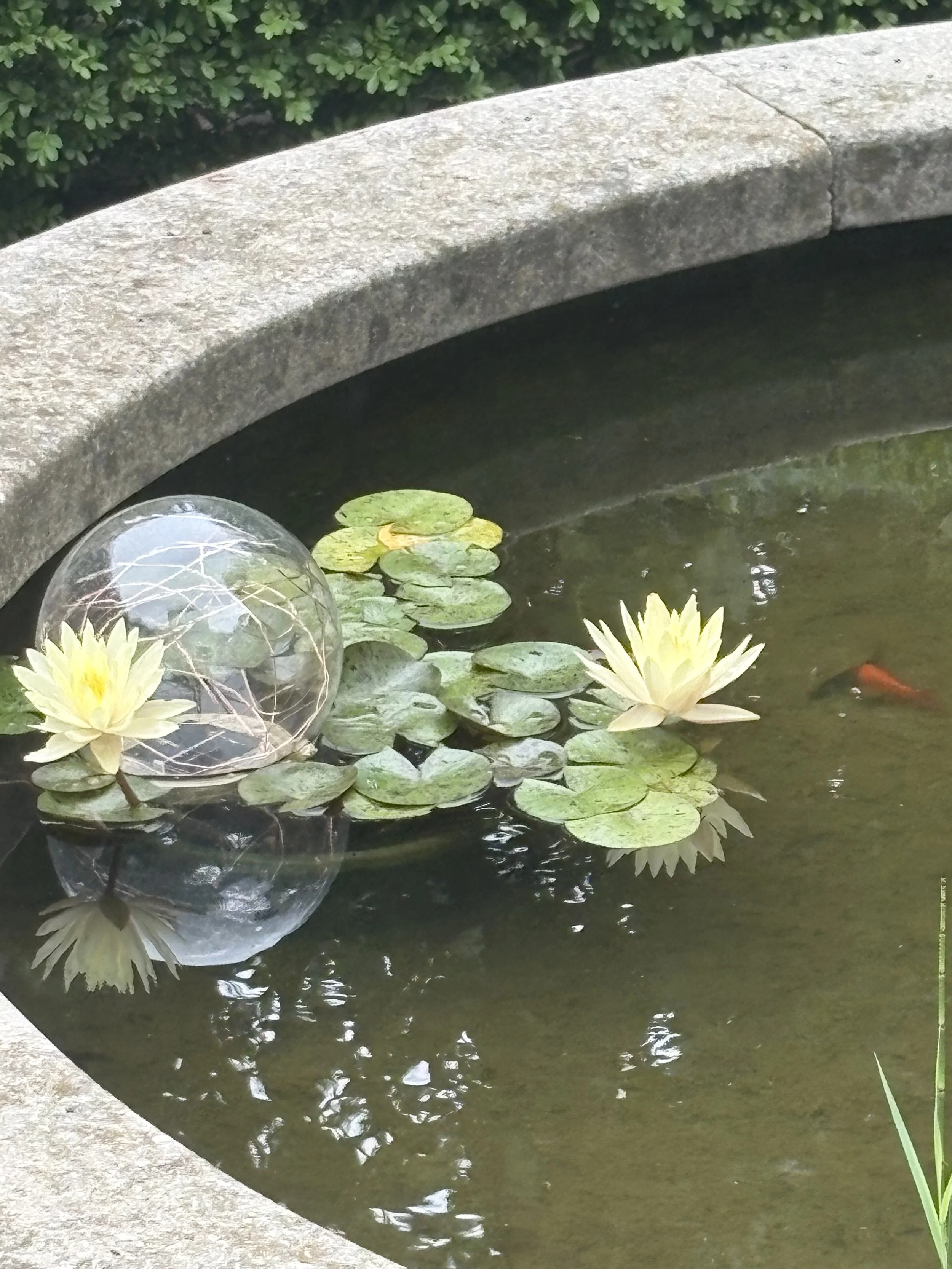
Therapeutic elements in any wellness garden generally include a contemplative, soothing water feature: a gurgling fountain or bird bath, and layered planting featuring feel good aromatic scents and rustling, textured grasses to enrich the experience. Pollinating plants and bird houses to attract wildlife will give you an extra dimension to connect your soul and psyche to nature.

I love the solar-powered fountain in my bird bath
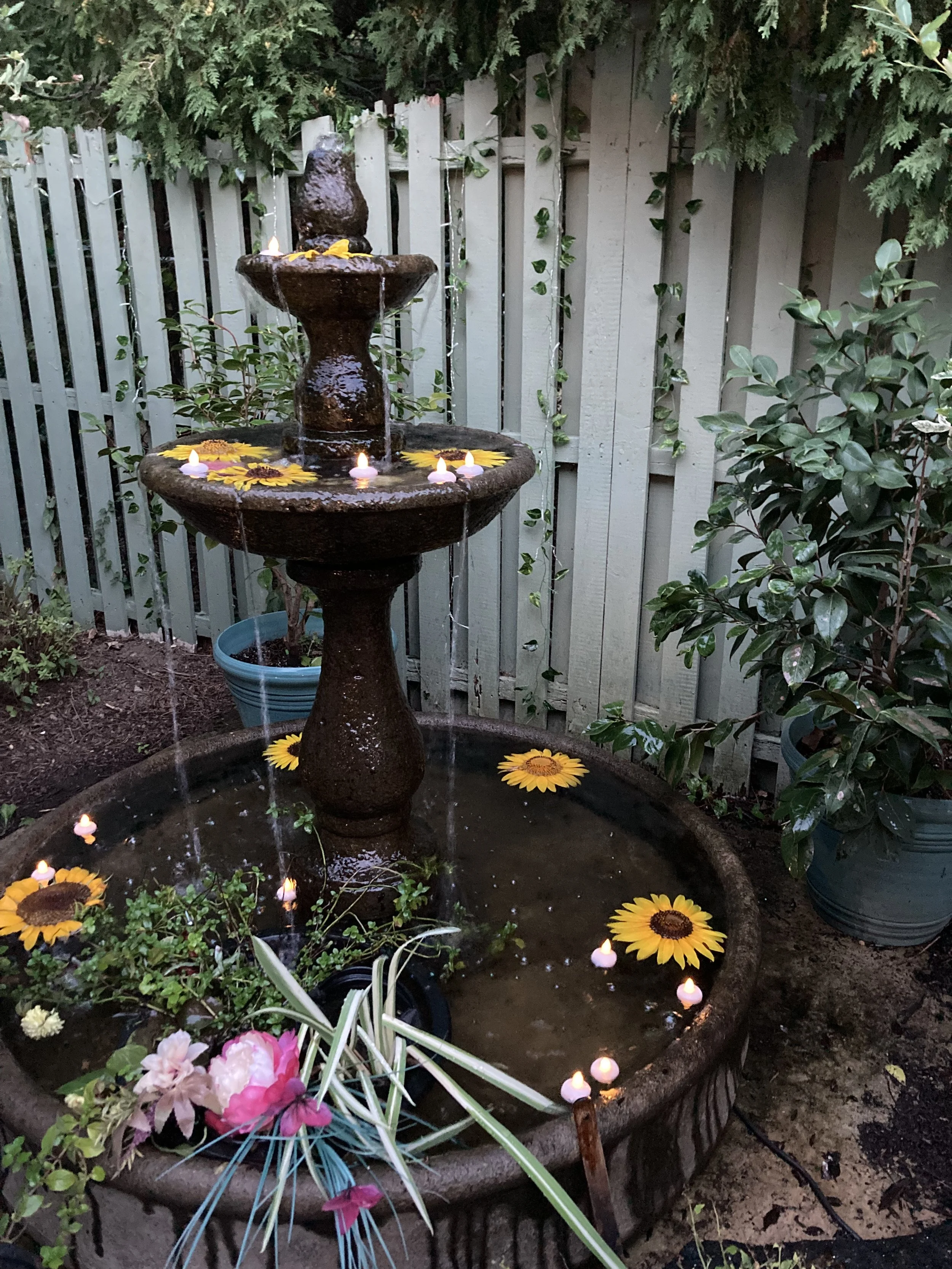
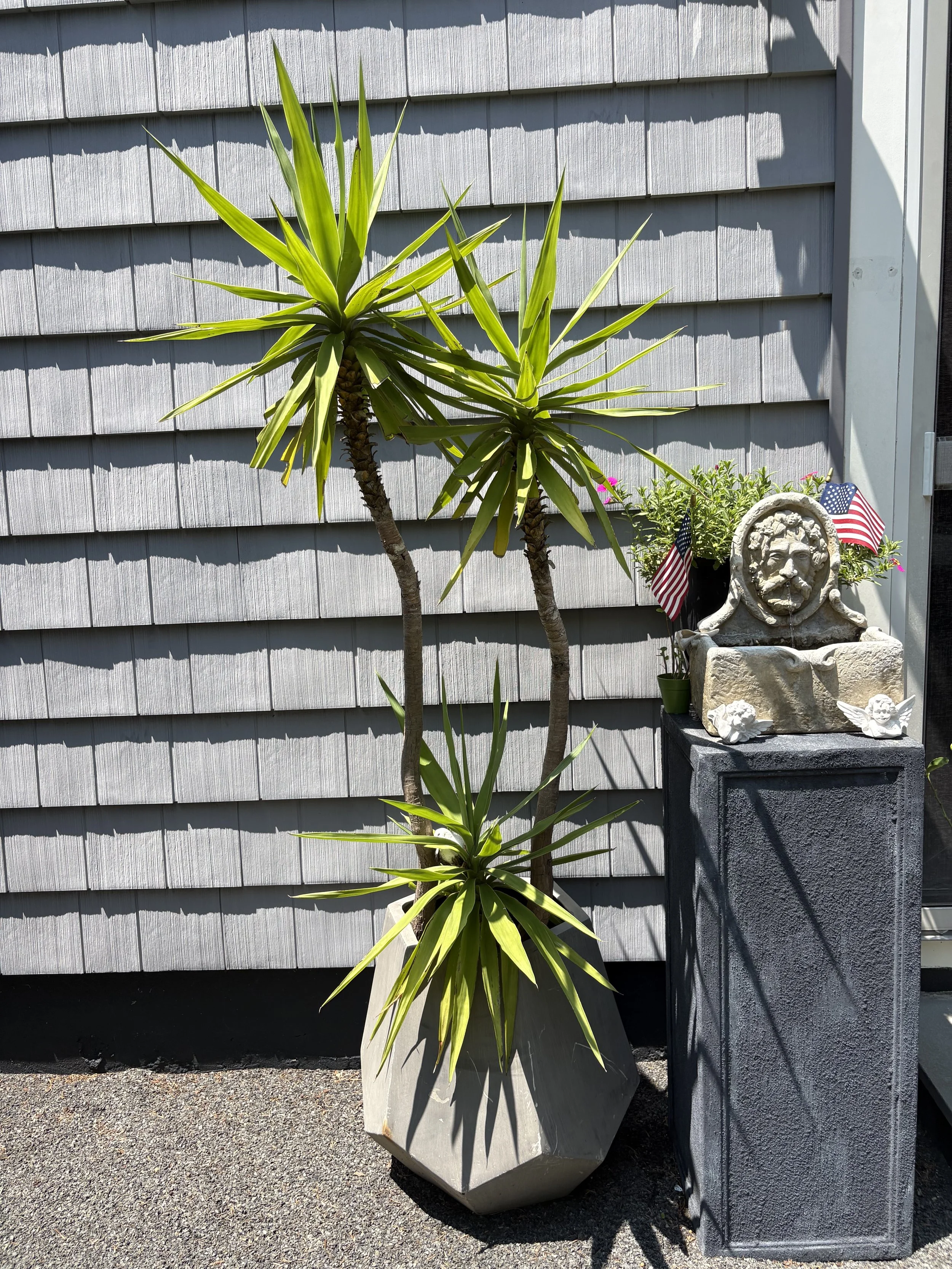
My tiny fountain gurgles

My fountain at night is dreamy
Choose plant colors that are calm and restful to you; adding bright colors strategically to lift your mood.
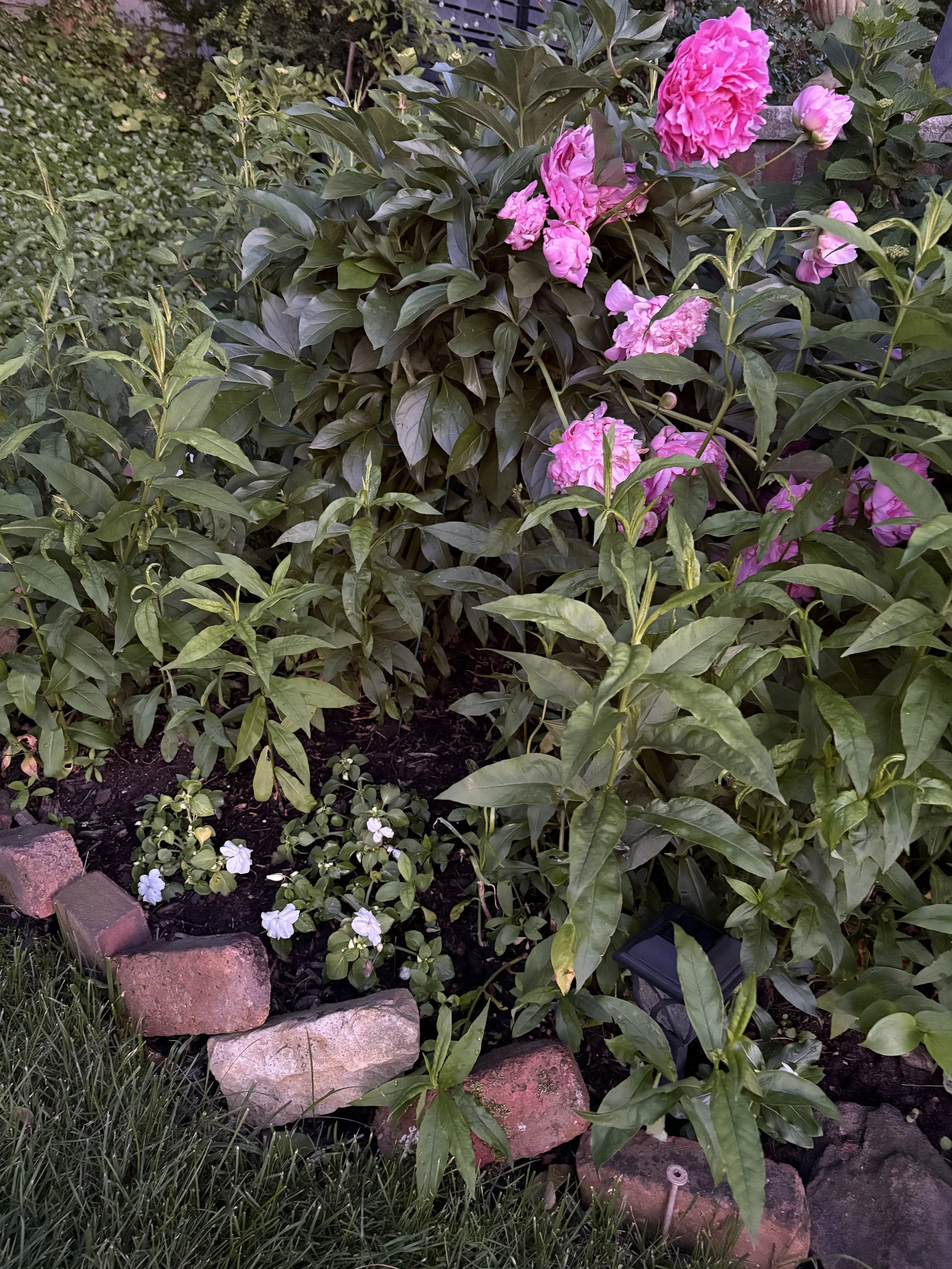
Choose plants that offer sensual experiences: fragrant and tactile ones will delight you in every season,
Add in seating where you can rest your mind and your soul. Keep your bench or chair or hammock in a style that complements your garden style: whether contemporary, romantic, formal, gravel, prairie, or tropical.

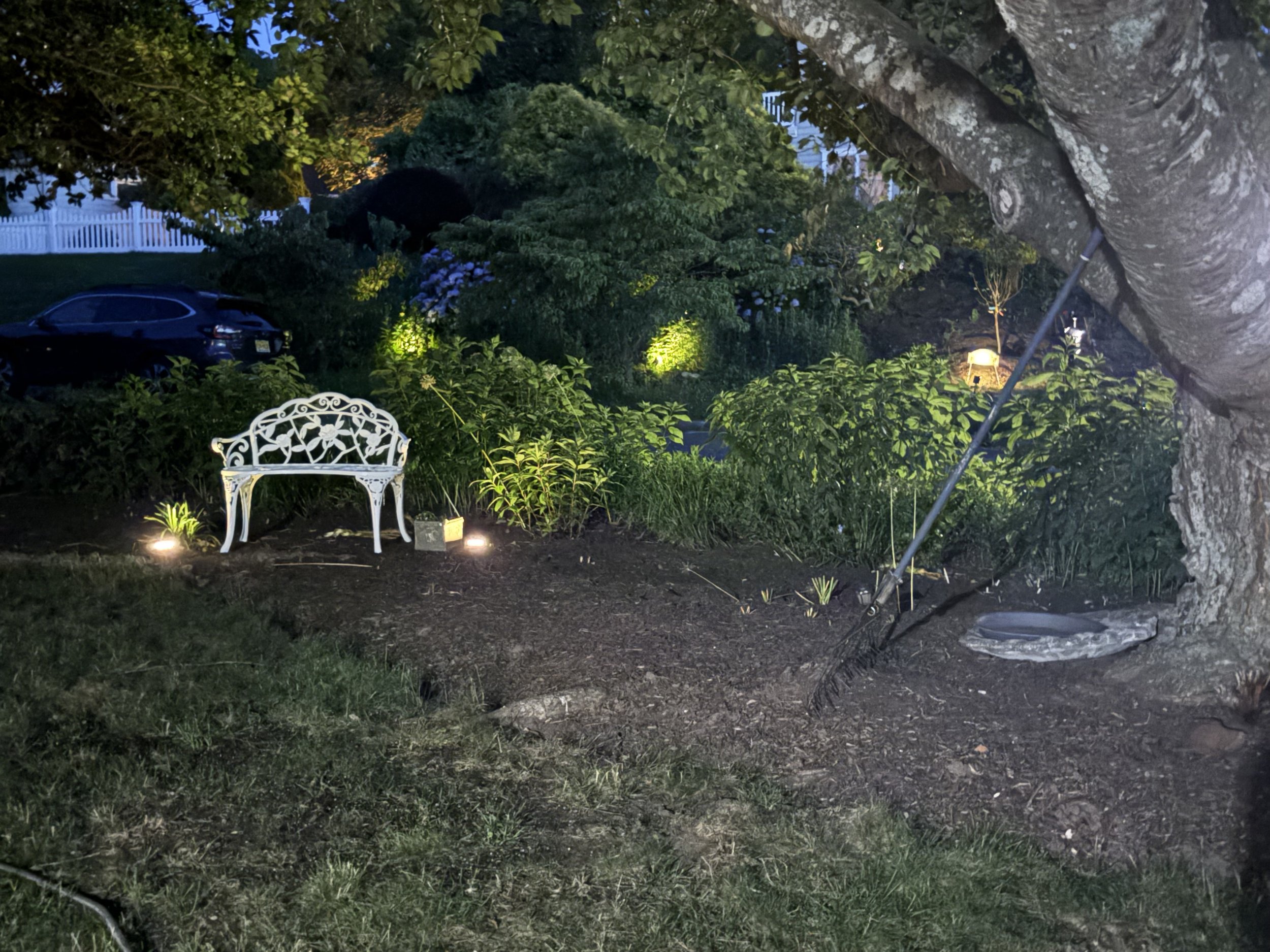
One of my garden chairs where I stop & read a daily poem on my garden strolls
Add in special elements such as wind chimes (I don’t personally care for chimes but they offer a range of sounds depending on the materials, including shells, metal, wood, or bamboo. Try them out first to see how you’ll react. You may find you respond to music, deep or relaxing or bright and cheerful sounds. Look for longer tubes for deep, low-pitched notes; shorter tubes make high-pitched notes.
Don’t neglect adding Art: a metal and/or all-weather sculpture or statue. Hang a painting in a covered area. Just as gardens lower our cortisone levels ~ the main stress hormone in the body, According to research, Art too “elevates our mental well-being, lowering stress hormones, boosting brain chemicals linked to pleasure and motivation.” Art can offer a way to say things or express feelings that may be hard to articulate.
And I often say that garden art is the slowest of the performing arts. 😉 So garden art and art in the garden will double your wellness.
Here, below are a few of my garden art pieces. They bring me immeasurable joy…
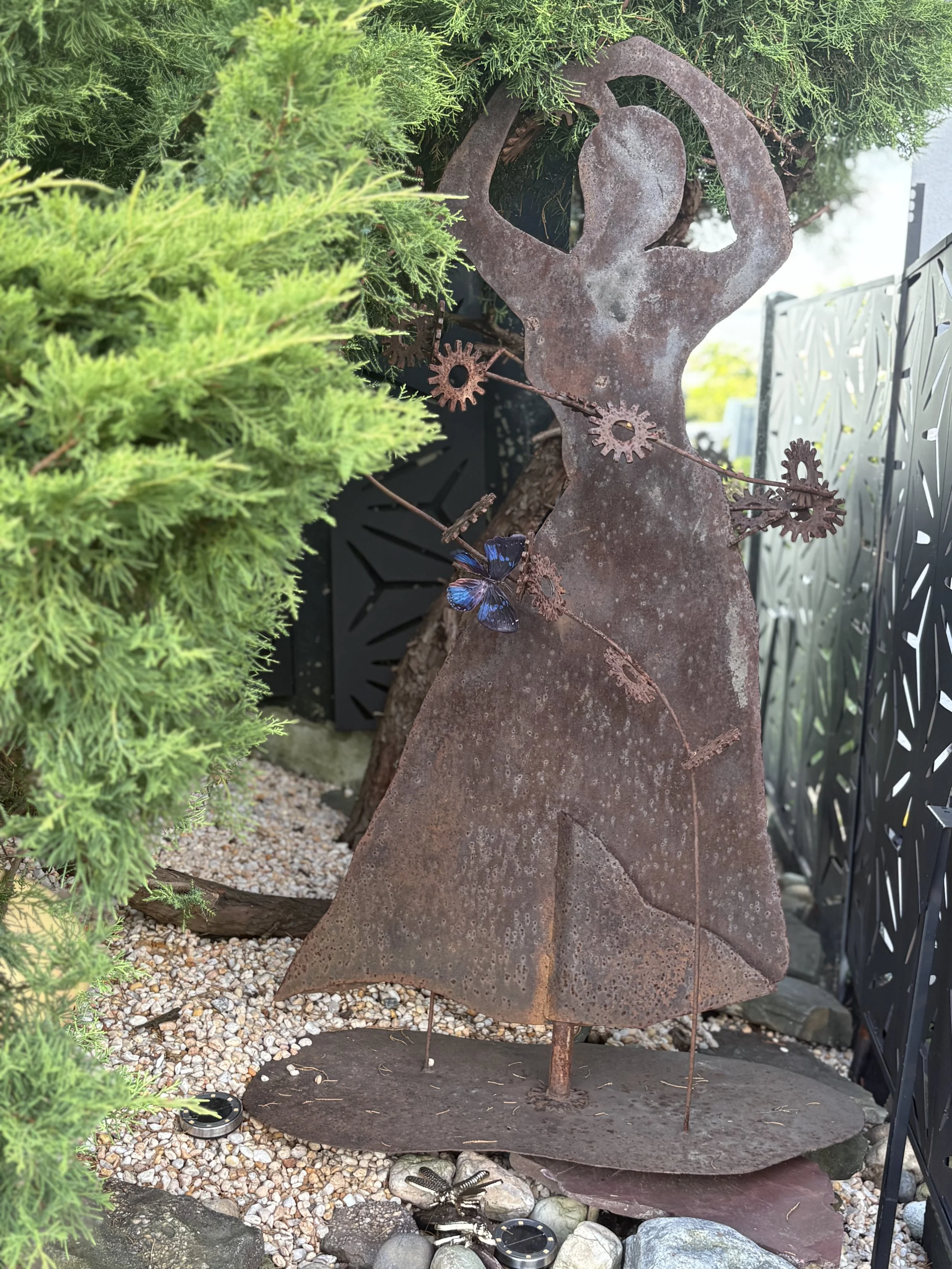
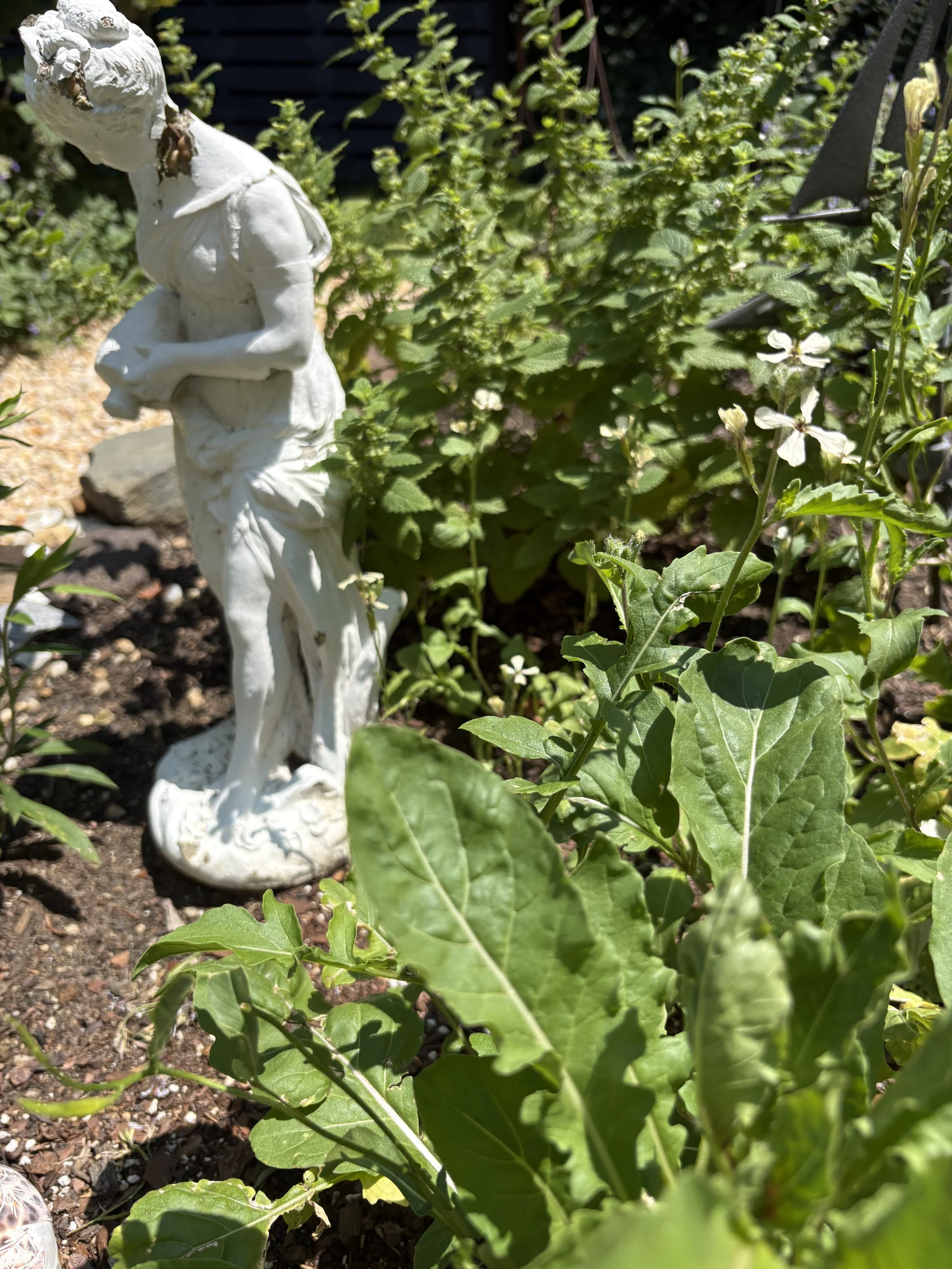
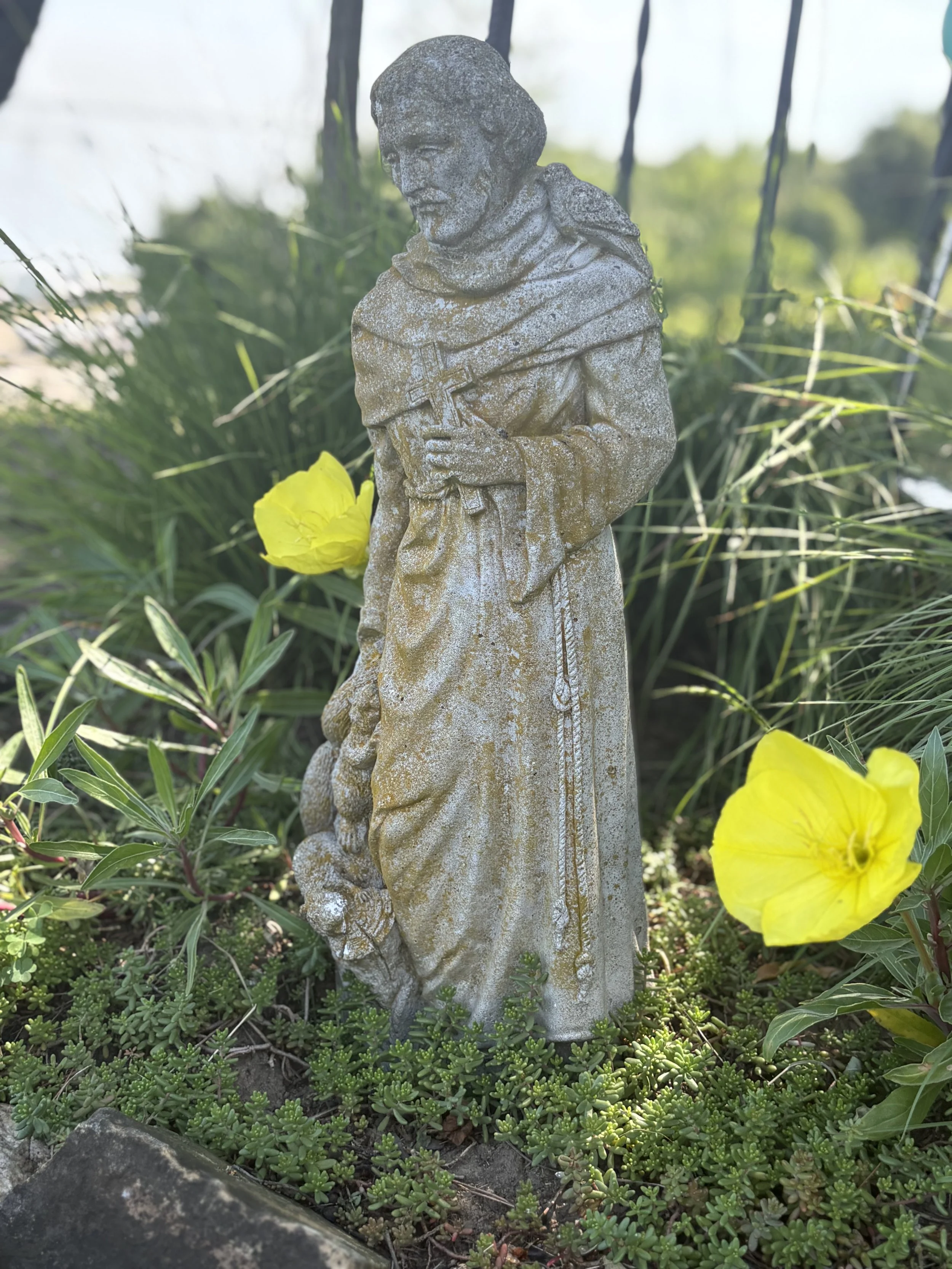
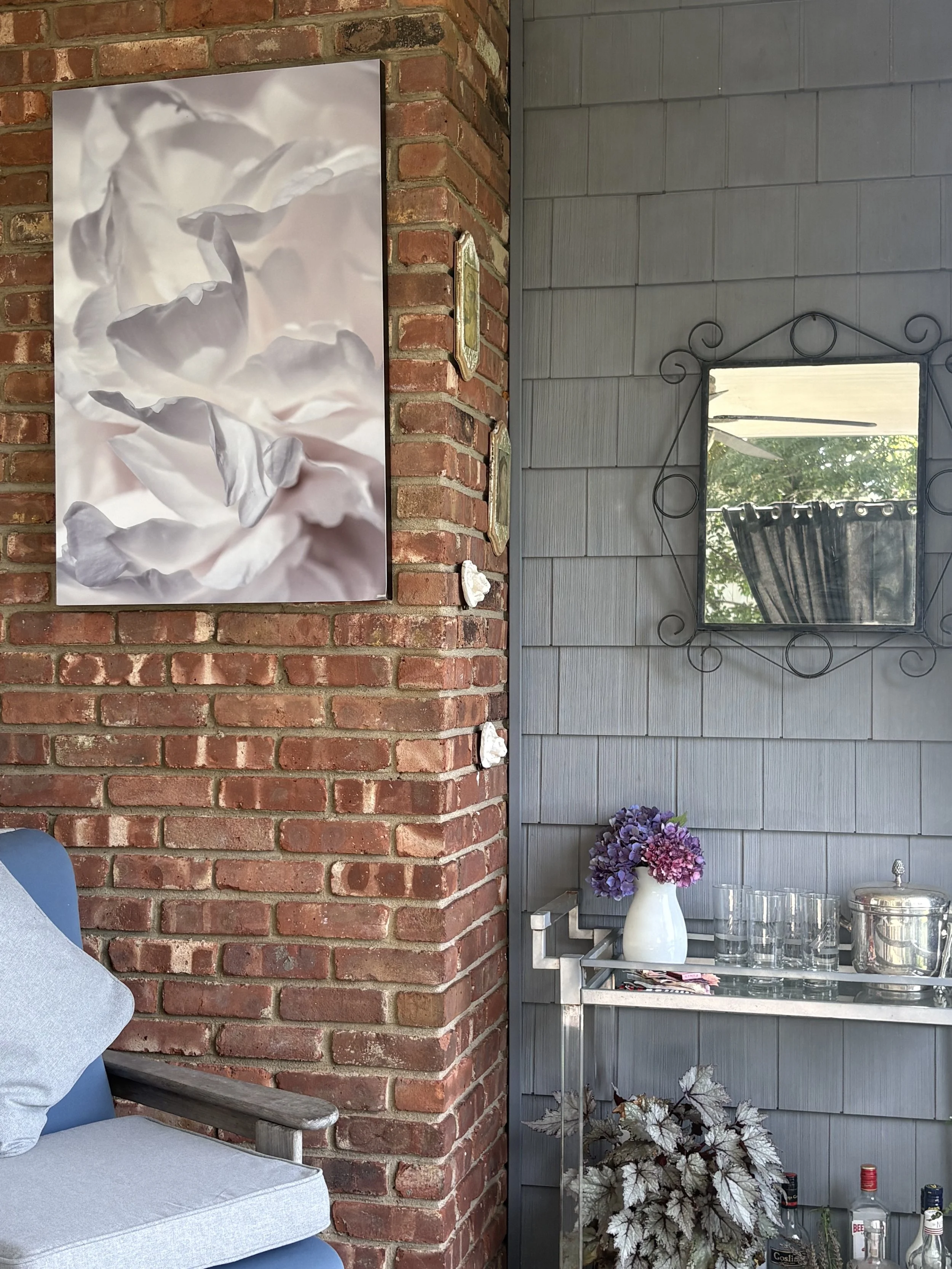
A Healing Garden is assuredly a sensory engagement: the texture of soil, the sound of moving water, the smell of earth after rain.
A Healing Garden works best when it feels immersive, when it offers safety, and feels like you’re retreating from your everyday responsibilities. It should invite you to pause and take a break, increasing your connection to other life, including plants, pollinators, and animals. Your Healing Garden will transport you. Planning and designing a Healing Garden produces restorative benefits such as reduced anxiety, improved sleep, and a calmed focus.
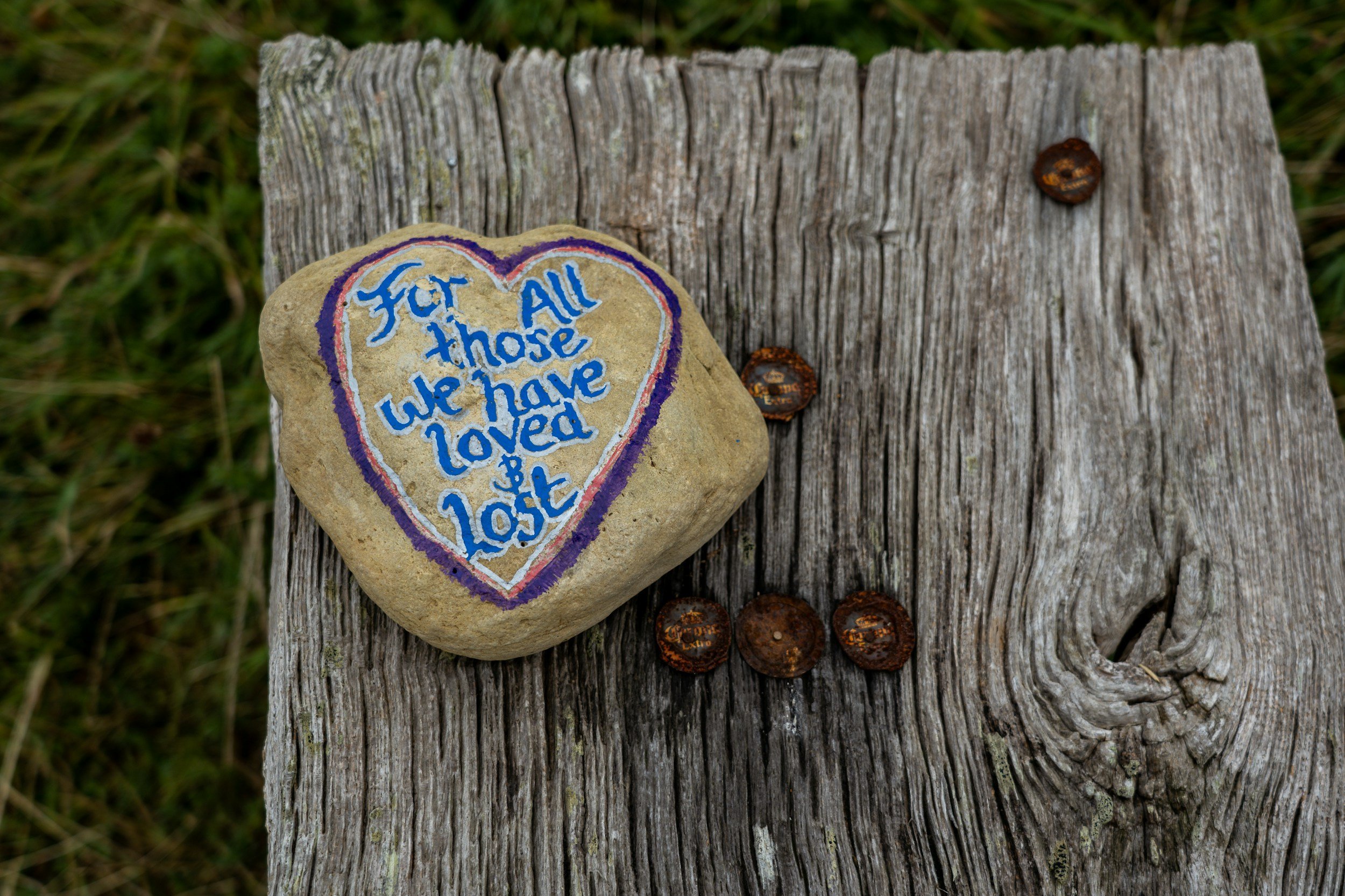
Bear in mind that grief evolves. Grief can be like a wave, rising and crashing, and ~ also receding. Don’t get “washed away” in the undertow. We can celebrate the life we’ve been gifted and at the same time, honor those people or things that we have loved and lost from this life...
Be good to yourself. Give yourself the grace you need ~ and deserve.


With Love ~ and Peace,
Garden Glamour
