A Conversation with Global Botanical Cultivator for Skincare Cosmetics & EcoLeader Businesswoman, Janet Arteaga
Have you heard of “Farm-to-Face” Formulators? How about a “Skincare Farmer?” As if plants weren’t astonishing enough (after all, they eat light and give us oxygen!), these specialized growers cultivate the botanical plants, herbs, and flowers for use in natural, plant-based beauty products. How does the product get from farm to our face?
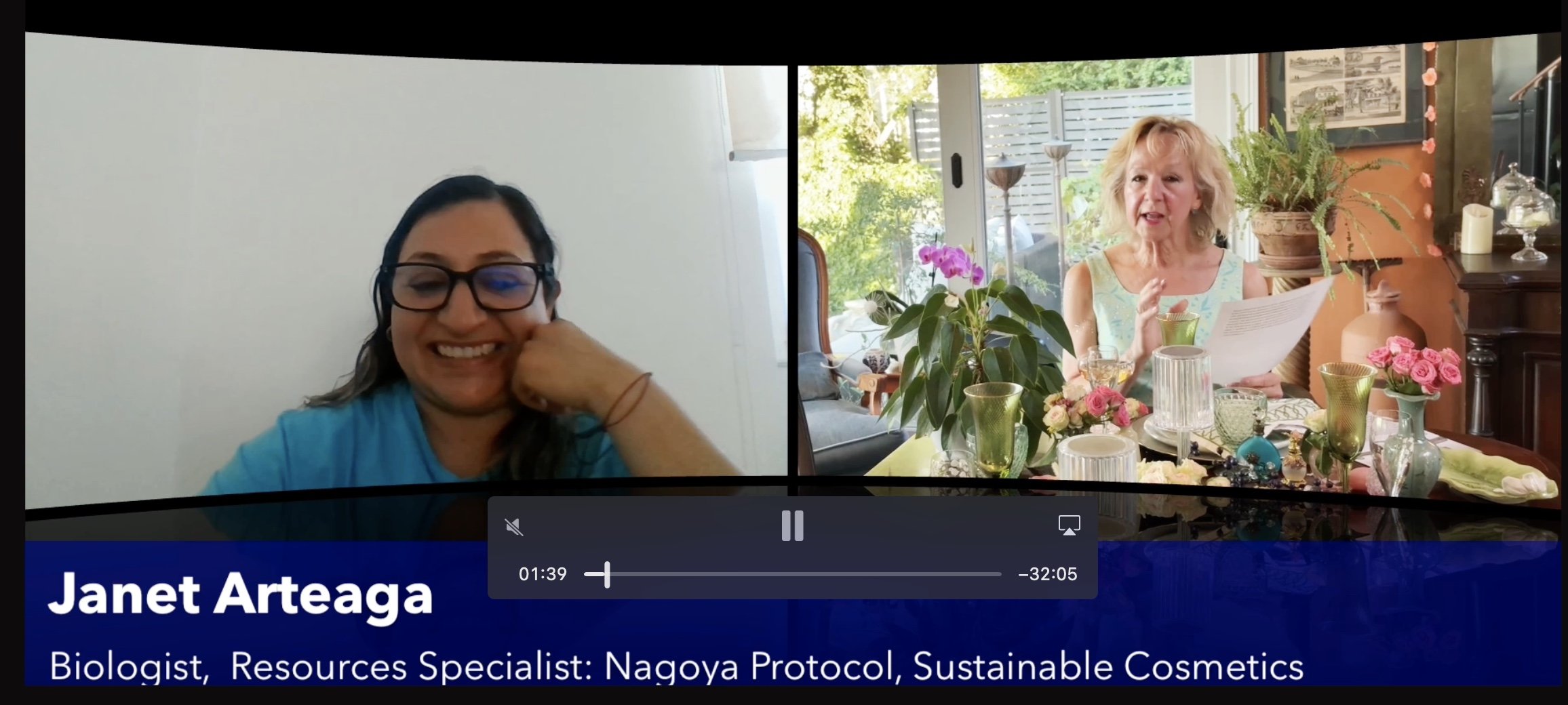
This was our premiere Conversation with an extraordinarily accomplished business woman speaking to us from her offices in Mexico. You’ll see why I was so keen to talk to Janet Arteaga, a globally recognized EcoLeader who has earned a most impressive resume or CV starting with her position as a biologist and her Master's degree in Integrated Watershed Management from the Autonomous University of Querétaro. She has over six years of experience in the cosmetics sector ~ her organization, Mujeres y Ambiente, makes shampoos, facial creams, collagens and more. Here, she develops value chains, laboratory work, quality control, as well as corporate social responsibility matters. She has been recognized as an EcoLeader Businesswoman at a conference in Germany earlier this year, a program promoted by the CCME in partnership with the German Cooperation Agency (GIZ).
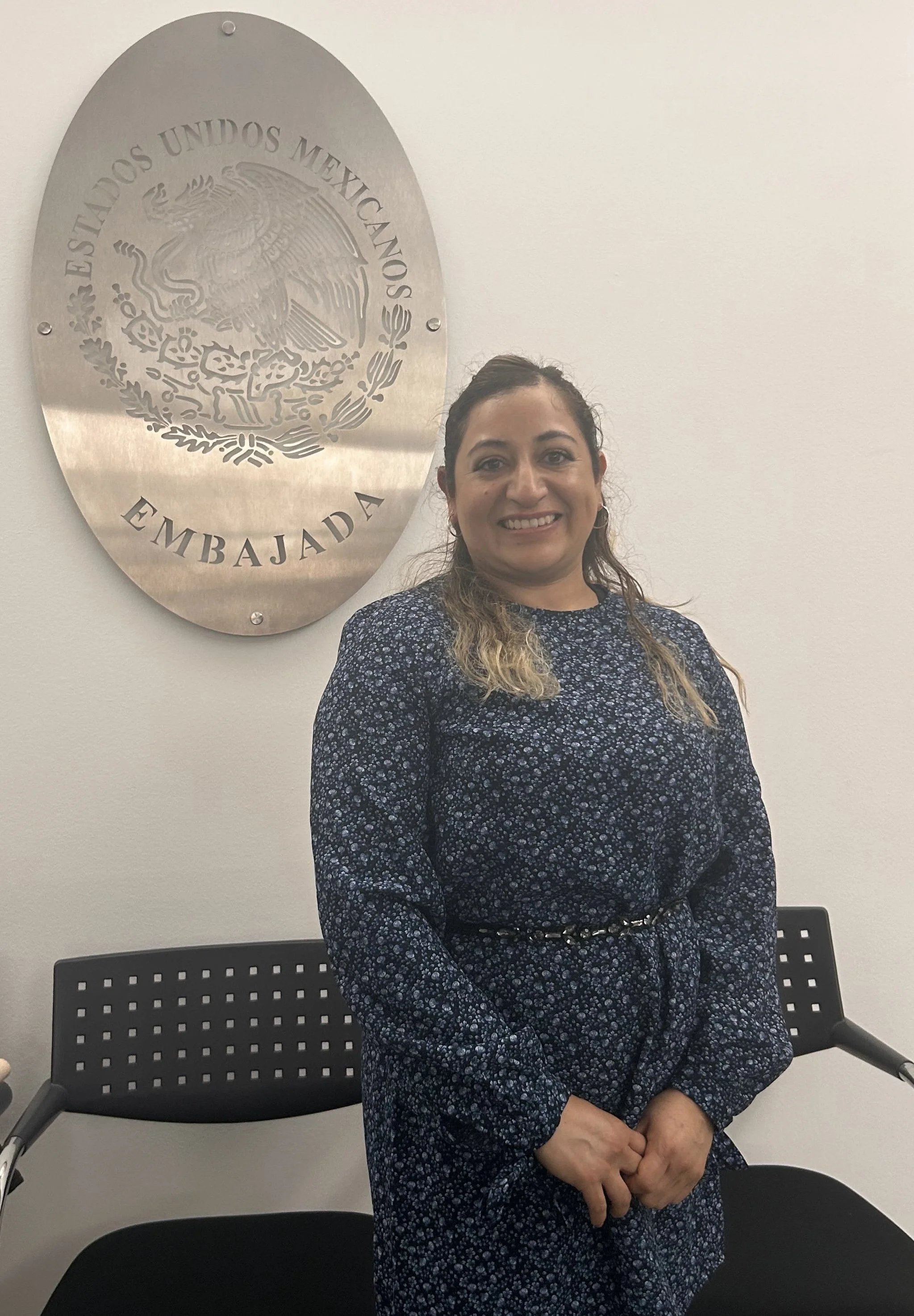
Janet Arteaga, Mujeres y Ambiente ~ Women & the Environment
It was this combination of a science-led pedigree along with her dedication to the Women and Environment Group in La Carbonera community that drew my attention.
But there was one distinctive element that compelled me to seek out Janet for a very informative and inspiring Conversation so that we could learn more about her work utilizing the principles of the Nagoya Protocol.
Not familiar with this global initiative? Well, this is your lucky day ~ I’m honored to share the background news, as the Nagoya Protocol is the foundation or fabric of our Conversation and Janet’s story.
Nagoya Protocol
Stay with me on this, OK? Here’s the background, followed by my “skinny” take or explanation: :
The Nagoya Protocol is: “a legally binding international agreement designed to ensure the fair and equitable sharing of benefits arising from the utilization of genetic resources and associated traditional knowledge. Adopted in 2010 by nearly 150 countries under the Convention on Biological Diversity (CBD), it entered into force in 2014 to prevent biopiracy and promote global biodiversity conservation.
So in other words, big companies can’t just go into a place and take the knowledge of the local people and their plants to develop a drug or cosmetic, and not share in the profits. (Bonus points if you can identify the few big countries that have not signed on 🙁)
So back to Janet and her story. As Project Manager, Janet leads the Mujeres y Ambiente ~ Women and the Environment founded and led by women, along with Provital, the Barcelona-based, Spanish company that is a global supplier of natural active ingredients for the cosmetics industry. The company established a landmark partnership with Mujeres y Ambiente, the Mexican government, and a local university to develop and market cosmetics based on the medicinal and healing properties of locally-grown, historically important plants. The working group is considered one of the first cases of full compliance with the Nagoya Protocol on Access and Benefit Sharing.
At the same time, the Mujeres y Ambiente work supports women entrepreneurs to grow their agricultural micro-businesses and engages and encourages biodiversity conservation. Their work and success have empowered women to create jobs and improve their communities. Since 2009, Women and the Environment or the Mujeres y Ambientes has transformed traditional knowledge into sustainable, productive projects led by these extraordinary women committed to caring for life and the environment.
It’s a truly remarkable global success story and I hope you can understand why I wanted to bring Janet’s epic work to our attention.
I first learned about the organization while I was doing research for my novel. I was fascinated that they were one of the first to utilize the Nagoya Protocol as it was intended.
From 2017 to March 2020, Janet served as a Genetic Resources Specialist for the United Nations Development Programme (UNDP) Project on Strengthening National Capacities for the Implementation of the Nagoya Protocol in Mexico.
Janet graciously agreed to be a special featured guest on Ladies Who Lunch Conversations videocast so all that was left to do was to schedule the date and best determine in what language we would conduct the interview. While I have long studied Spanish language daily (along with French), I readily admit that my skills are not quick enough. I thought it would be cumbersome, also. And we agreed that Janet’s English was a lot like my Spanish, soooo, I asked my mother’s neighbor, Edit Petrone, who years ago came to the US from Argentina to help us translate and navigate the Conversation. Gracias, Edit. Your gracious and discrete contribution is greatly appreciated.
I hope you enjoy this very enlightening and inspiring Ladies Who Lunch Conversation with Janet, on Facebook ~ where she displayed that uncanny Ginger Rogers talent (dancing backwards and in heels); where in our case, she was being interviewed not in her Mother tongue so she was answering questions and translating in real time.
You can also experience the interview on my YouTube site (there are subtitles there even though the interview is in English).
In our Conversation, you will learn about the work and Janet’s journey with the Women and Environment Group, winning the Equatorial Prize 2020 awarded by the UNDP. She has worked as a consultant in access permit management processes for genetic resources in Mexico and the Dominican Republic, as well as fair trade and supply projects, value chains with producers and the private sector, in addition to consulting work for international cooperation organizations and subnational governments on nature-based solutions and strategic public policy management.
How impressive is this woman? Thank you/Muchos Gracias, Janet. You are so inspiring. Tu eres muy inspiradora. Y for taking the time to answer my detailed questions detailed below:
Q&A
Here are the questions I posed to Janet and she so graciously and thoughtfully answered each one with intention and scholarship.
I have translated here for you English speakers. (If anyone wants to read in the original Spanish, please email me and I will share.)
No matter how you say it, you can’t help but be impressed by Janet and the work of the Mujeres y Ambiente. And below, don’t miss the photos of Janet and her team of botanical cultivators.
Q. Can you please tell us about your organization and how you got involved with Mujeres y Ambiente?
A. The organization was created in 2009, in the community of La Carbonera, to address different problems in the community and to improve the conditions of their homes and guarantee their basic subsistence needs through firewood conservation, women's health initiatives, and the construction of family gardens using vermiculture.
I first encountered the group in 2012 when I began my master's degree in integratedwatershed management. My thesis project involved creating a synergistic project between the private sector and local producers.
While searching for an established group working with medicinal plants, a professor introduced me to Mujeres y Ambiente (Women and Environment). From there, we began working on consolidating the aromatic and medicinal plant production project. In 2016, the need arose to legally register the group to sell the plants, and that's when I was invited to formally join.
2. Q Please tell us about some of your successes/tus exitos?
A. Well, the group was already successful; they had been working very well and even won the state ecology award in 2013 for their good practices. After I joined, I can tell you about some of the things that have been achieved.
First, the export of lemon balm to Provital in 2016
In 2017 we were part of the first agreement for access to genetic resources for the cosmetics industry.
2018 - two photo essays for UNDP and a book chapter on access and benefit-sharing under the Nagoya Protocol
2020 - Ecuador Prize (If you don’t know of this award, it is organized by the Equator Initiative within the United Nations Development Programme, is awarded biennially to recognize outstanding community efforts to reduce poverty through the conservation and sustainable use of biodiversity.
2021 - Participation in the Dubai Expo with the conference "More than trees: How to build work ecosystems"
2021 - Essay for the National Human Development Report
2023 - Funding from the Daughters for Earth program
2025 - Participation in a trade mission to Germany through the GIZ Ecoleaders program (German Cooperation)
2025 - New funding from the Daughters for Earth program
WOW! Astonishing accomplishments.
3. What have been some of your challenges?
A. There have been many challenges, I'm going to mention some of them.
First, starting a business from a rural community involves twice the work, especially considering that most of the team and those of us leading the initiative are women.
Being a small community, everyone knows each other, which can generate a lot of envy and make it difficult to work at a community level.
Technology has improved significantly; we now have more technological resources. The facilities have internet access, and my colleagues now know perfectly well how to join video calls and use social media. But at the beginning, after the pandemic, it was quite a challenge. Every time we were invited to a talk or had virtual training sessions, I had to travel to the community.
Being outside the city makes the issue of transporting and moving materials more complicated and expensive.
The group has truly been very resilient because it hasn't been easy financially either; we need to increase our sales to truly say that we live 100% off this. In my case, I can tell you that much of what I do in the group is pro bono, since in addition to my work in the group, I also do socio-environmental consulting.
4. Q. What products do you manage?
A. We carry out activities in the primary sector (production of vegetables, rabbits, free-range chickens and sheep), secondary sector (production and marketing of cosmetic and personal hygiene products made from medicinal plants of the region) and tertiary sector (tourist and educational services through guided tours of our facilities).
In the primary sector, I can highlight the marketing of aromatic and medicinal plants.
We have had a single client since 2016, PROVITAL, a Spanish company that produces active ingredients and extracts for cosmetics. We started by selling them lemon balm, and now we sell them four more plants.
5. Q. Please tell us about you and your relationship with nature.
A. My connection to nature goes back to my origins. I was also born in a rural community, in the municipality of San Juan del Río, here in Querétaro, and I've always loved the countryside. Later, I studied biology here in the state capital.
6. Q Do you travel a lot? If so, where?
A. Yes, thank God I have had the opportunity to travel and see many places. Initially, here in my state which I love and, although it is a small state, it has many places to see, the Sierra Gorda is wonderful.
I can say that I still have four states left to visit in Mexico. I've only had short stays in some of the others, but I can say I've been there. I love my country; we are so rich culturally and naturally, full of history and tradition, and each state has its own unique characteristics—it's like each one is a mini-country.
(I ~ Garden Glamour ~ have to add, that for me, visiting Mexico a number of times, I felt the same sense of wonder and love for the culture and beauty…)
Outside of Mexico I have been to Spain, Panama, Ecuador, the Dominican Republic, the United Arab Emirates, Germany and the United States.
7. Q. What are your goals for you and for the Mujeres Y Ambiente?
A. I want the project to grow and become established. I'd like to strengthen and expand our plant sales business and acquire new clients.
I believe that if we succeed, we will not only help women and the environment grow, but also all the small producers who work with us, and we can even incorporate others into our value chain.
8. Q. Please tell us about your contribution or work with the Nagoya Protocol.
A. Well, as I mentioned at the beginning, Women and Environment is part of the first agreement for the cosmetics industry. I have a dual role here because I was one of the consultants who managed the entire process. Then, from 2017 to 2020, I was part of the project "Capacity Building for the Implementation of the Nagoya Protocol in Mexico," implemented by UNDP in coordination with SEMARNAT. I was the genetic resources specialist.
9. Q. Since being implemented, have you benefited from profits or money sharing? If so, how do you distribute it? If no, how to negotiate compliance?
A. Well, in the case we're involved in, there have been non-economic benefits for the participants in the agreement. The economic benefits haven't been distributed yet; we're currently evaluating with SEMARNAT (the Ministry of Environment and Natural Resources) the correct way to do so, since this issue was stalled in the country for six years and the mechanisms for distributing them haven't been established. In fact, we would be the first case in which the funds would be distributed.
(In my opinion ~ Garden Glamour here ~ this just seems so wrong. We need to advocate for Janet’s Mujeres Y Ambiente so that they receive the monies owed to them. What can we do to get the organization to be the first case to receive the distributed funds earmarked for them?)
10. Q. What can be done to improve global participation?
A. The regulation of the protocol depends on each country, so each country must first work on its legislation and mechanisms to regulate it, while simultaneously continuing to work at summits to reach agreements and establish mechanisms for multilateral participation.
Furthermore, efforts must continue to strengthen capacities at all levels: government, academia, communities, and civil society organizations.
11. Q. What role does climate chaos play in your outlook?
A. For women and the environment, the weather plays a very important role; we basically depend on it for our activities. We are in an area with water scarcity, which is why the ecotechnologies we work with are focused on water harvesting and recirculation.
Since we work with plants, the drought of 2023 and 2024 hit us very hard, to the point that many seeds were lost.
12. Q. What advice would you give a young girl looking to follow in your footsteps/career path?
A. Not everything is easy, there will be obstacles, things that don't go as planned, or at least not the first time, but when you set a goal, work with people who share the same commitment and support each other, things progress and sometimes you can't imagine how far you can go.
13. Q. What is your favorite drink? Book you’ve read recently? Where do you vacation?
A. I love wine, but I also like tequila (Cantaritos in particular).
With regard to books, the truth is that I don't usually read much; I think the last novel I read was quite a while ago. I do read a lot, but it's mostly things related to my work: articles, essays, reports, or things like that.
I go for short vacations. For two days, I was in the Sierra Gorda of Guanajuato. A month ago we went camping. And for long vacations of more than a week, I was in Phoenix, last year.
Here, please enjoy some of the wonderful photos Janet shared with me of their organization’s work and location. I can practically smell the lavender from here…
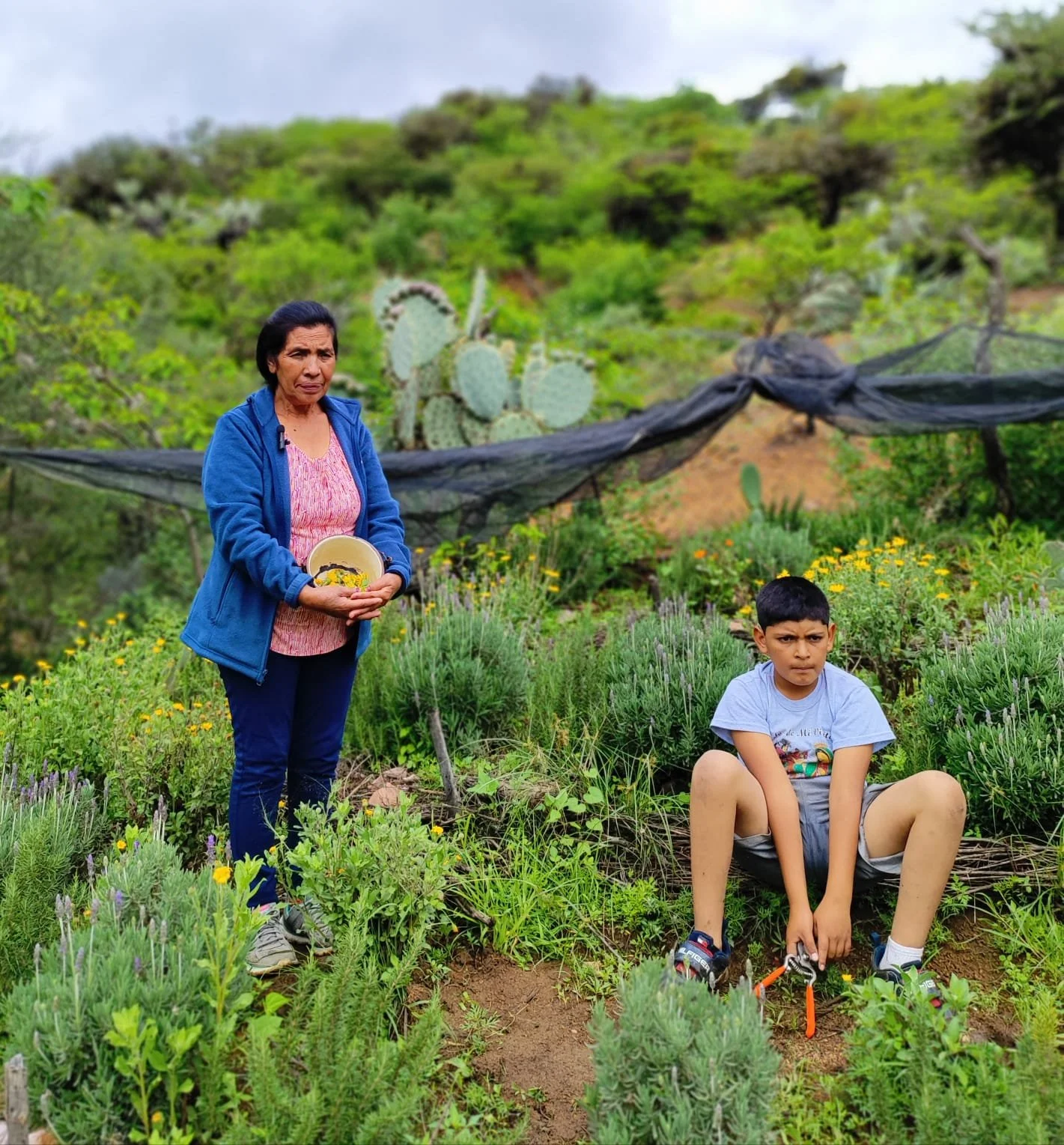
![Janet Arteaga group].jpeg](https://images.squarespace-cdn.com/content/v1/66a4606ad838392c3cc3b94e/1784062936313-V4FPOYV50SZG4XEVZXPE/Janet+Arteaga+group%5D.jpeg)
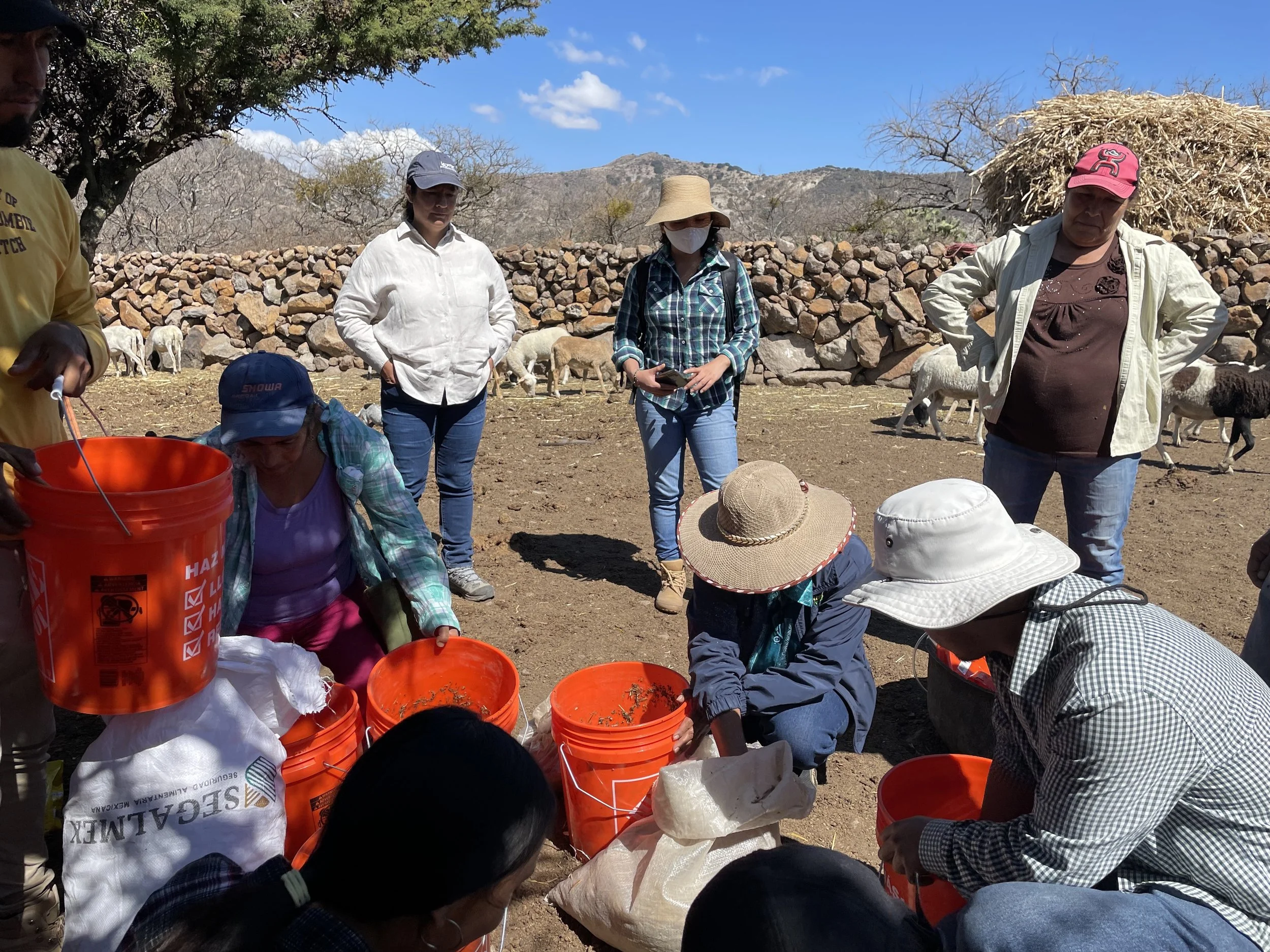
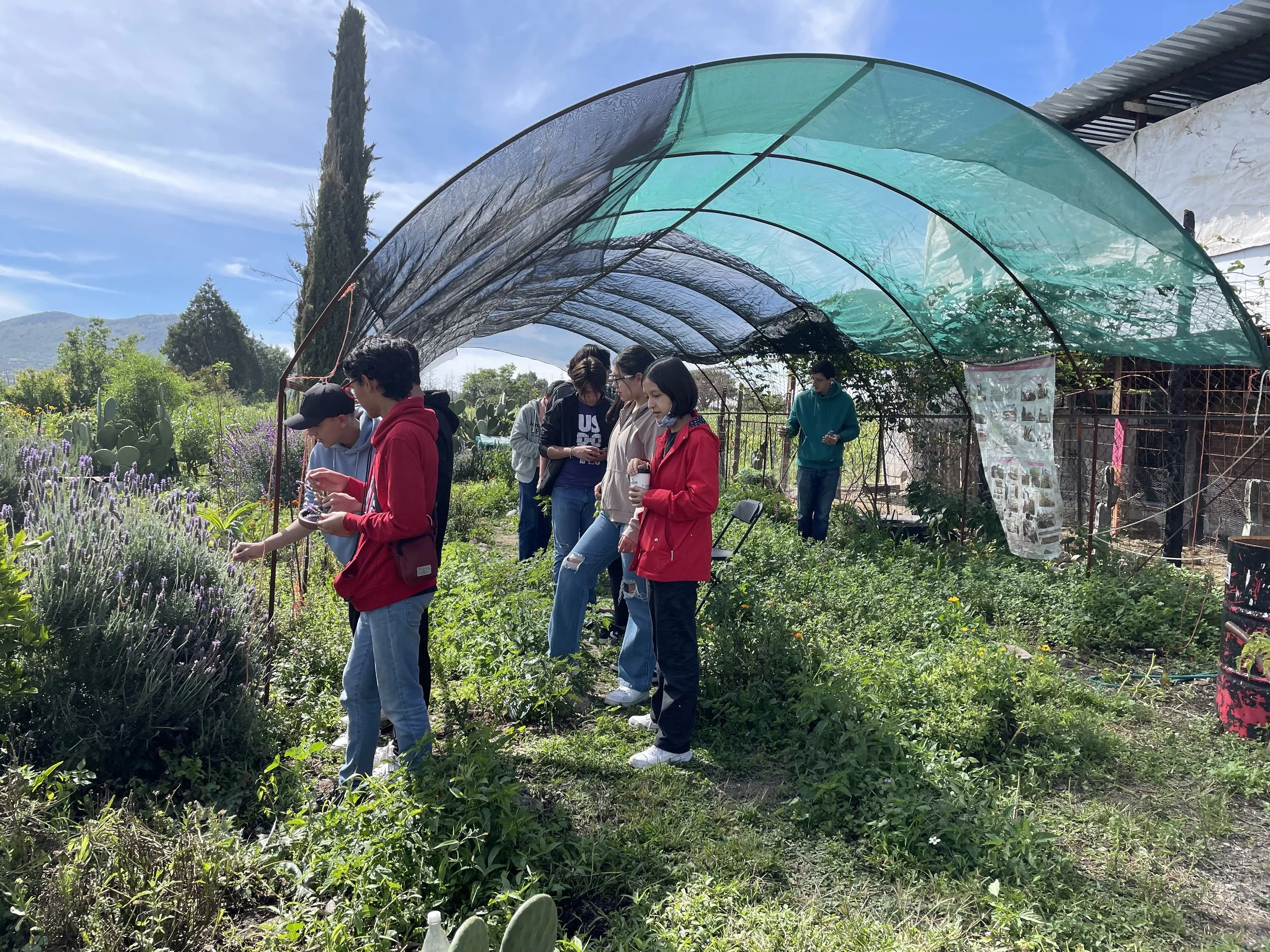
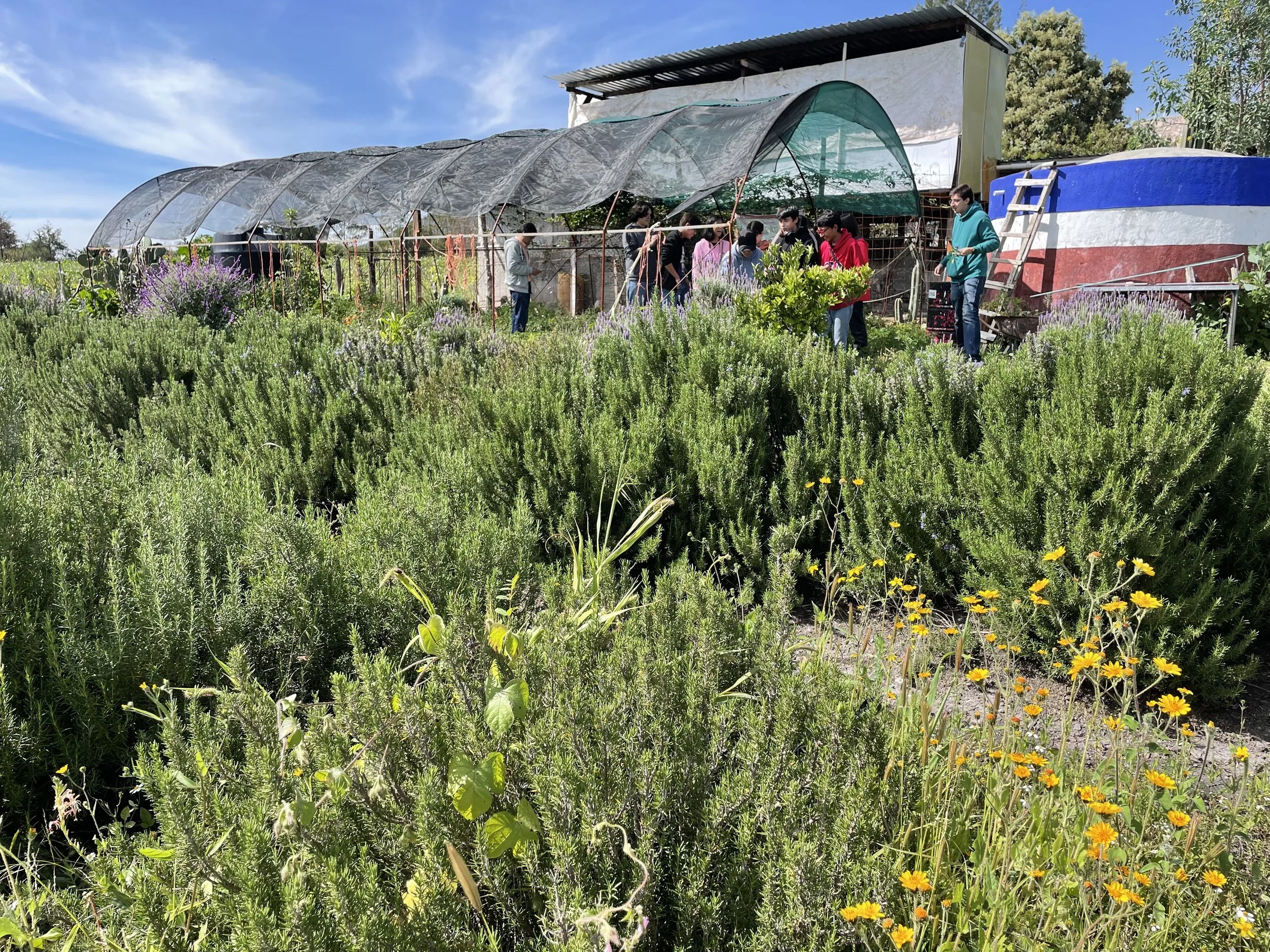
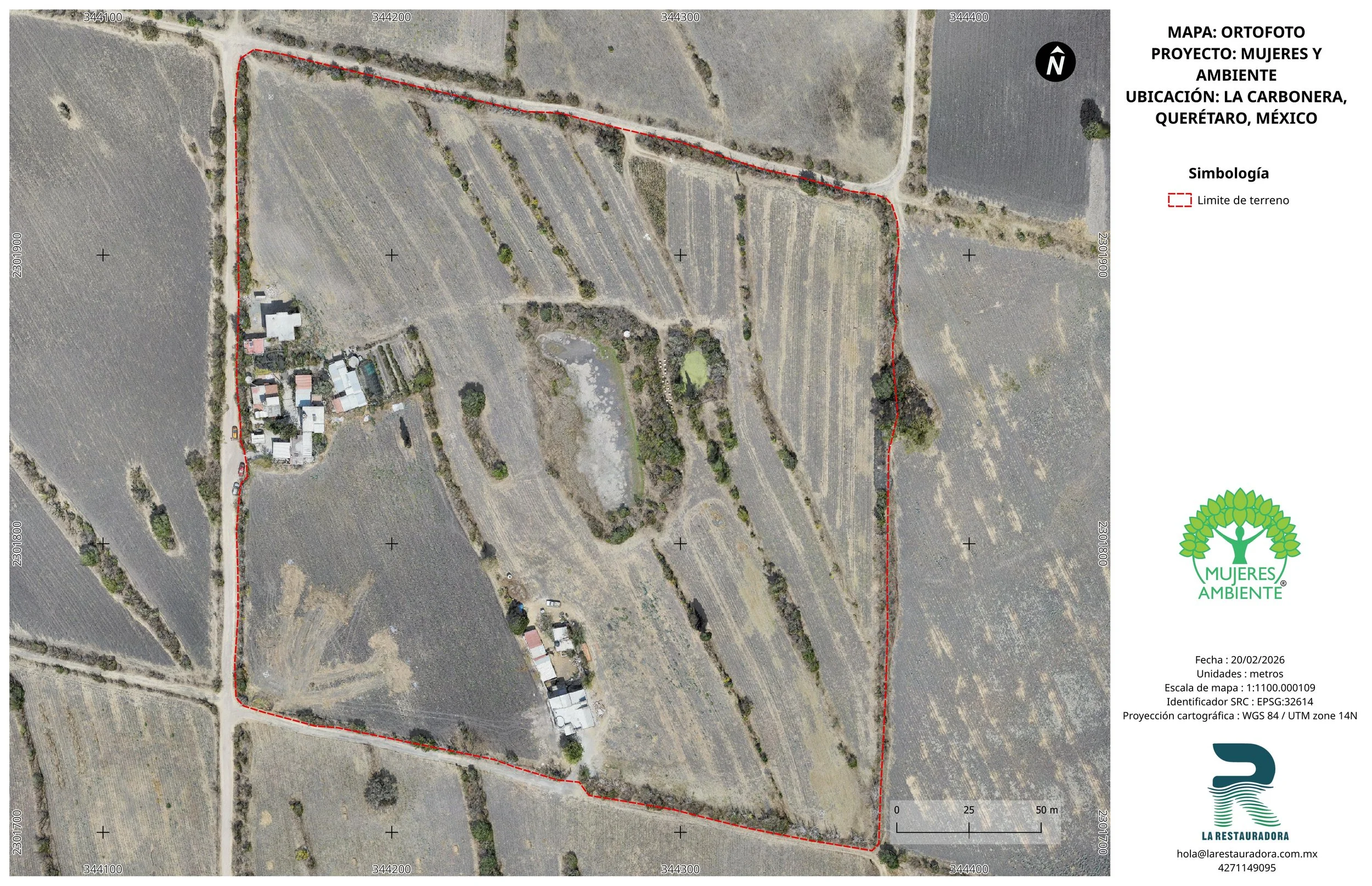
Again, I think you’ll agree with me that no matter how you say it or in what language, the achievements and leadership of Janet and her organization are truly inspiring.
Thank you so very much Janet. Wishing you continued success.
With love,
Garden Glamour