
Curated Guide to 20 Plant Resources Where to Purchase the Native Garden Glamour Zeitgeist
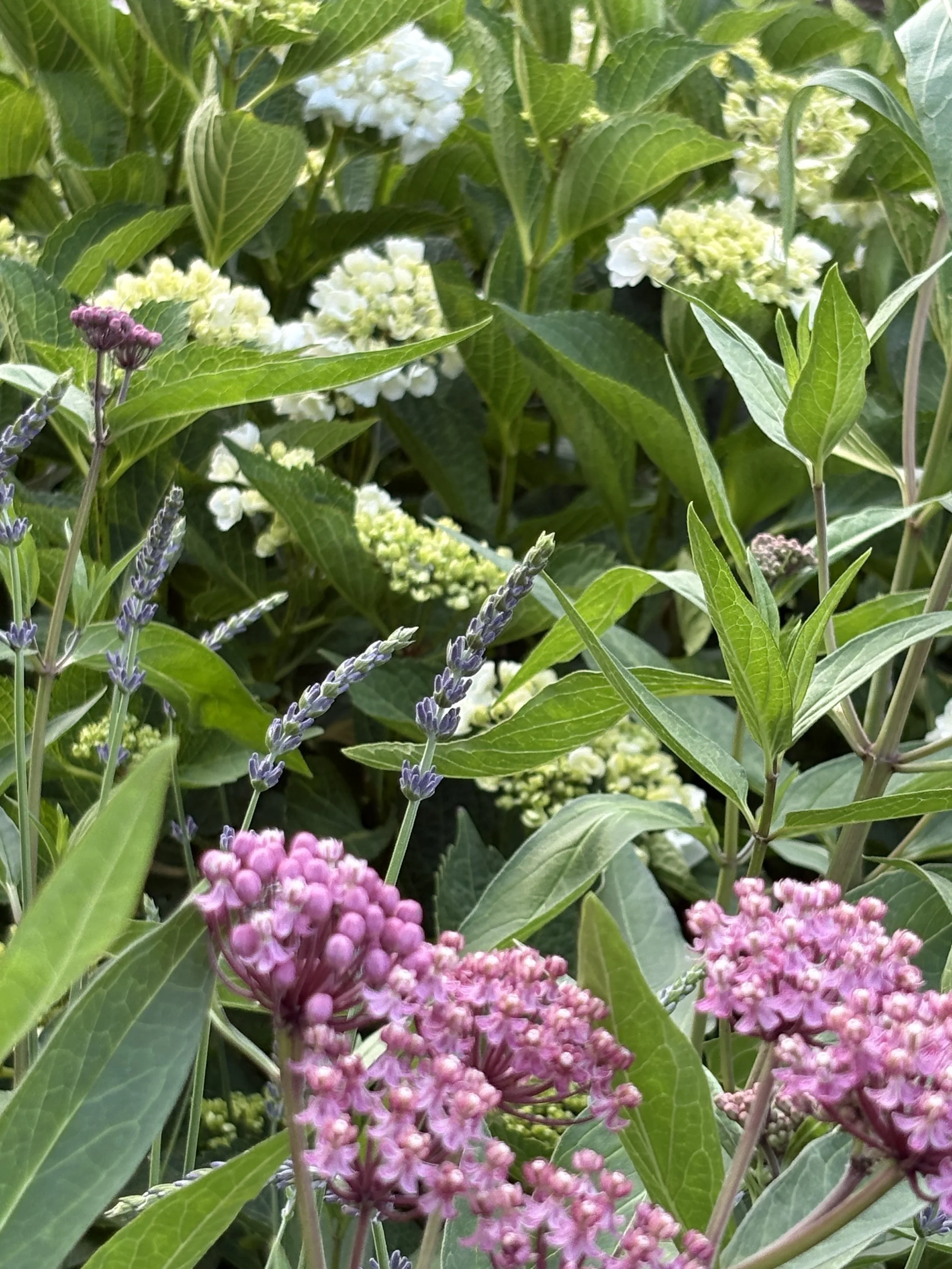
More than a trend, Native Plants and Nativars are getting their moment in the spotlight. All eyes are now firmly fixed on the newest and yet most enduring luxury stars of the garden, Native Plants, because of their looks, their ability to thrive in challenging climate conditions, and because they attract pollinators and healthy wildlife to our gardens. It’s easier now to align with the "Garden Glamour" hort-couture landscape aesthetic of blending ecological, locally sourced functionality with elevated design.
No less an authority than the country’s oldest and biggest flower show, The Pennsylvania Horticultural Society (PHS) Philadelphia Flower Show chose the theme for this year’s marquee garden exposition, was Rooted, Origins of American Gardening. I wrote two blog posts covering the recent show. There was so much to see and learn. Surrounding the show’s theme, the PHS talked about a “Curated Wildness" Aesthetic: how we choose to favor naturalistic, layered, and relaxed designs that look intentional rather than unkempt, blending ecological function with high-end aesthetic appeal.”
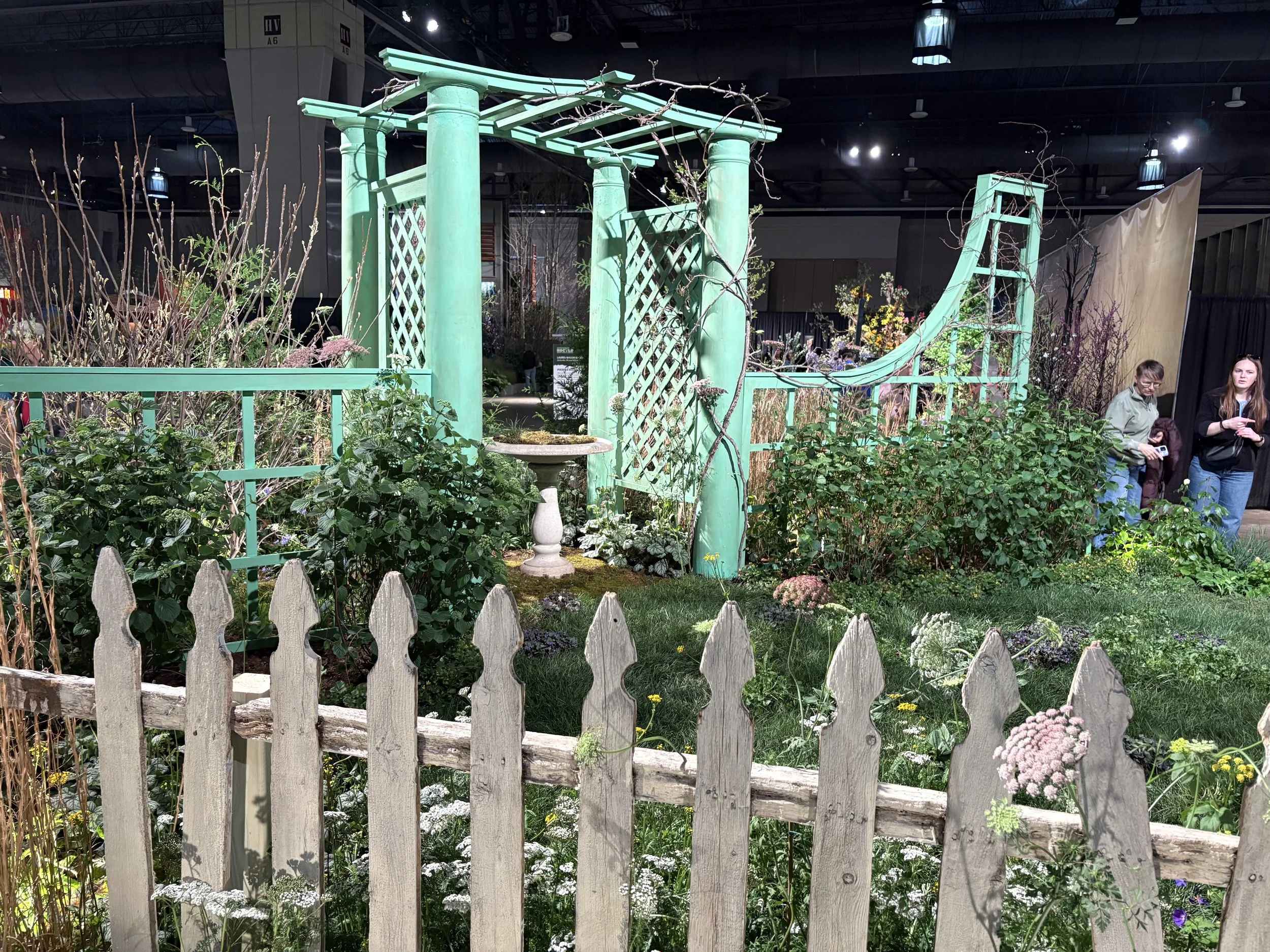
Kelly D. Norris’ Award-Winning Native Plant Garden at PHS
Horticulturists and garden designers ~ like me ~ have long extolled the virtues of Native Plants. In fact, I’ve been spec’ing them into my designs since early in my garden design career that unofficially began back in 2000.
We horticultural professional learned about the benefits of Natives from our respected horticulture leaders who promoted the plants’ ability to support a biodiverse community; to use in restoration, and to mitigate the need for chemicals, including pesticides, insecticides, herbicides 😱
If we’re designing sensory spaces for our wellness, and for our children, it follows that we don’t want that! We want a sanctuary for play, for butterflies, and dragonflies, and birds, and for our reading and thinking…
We want to dream in nature. Not be afraid of it.
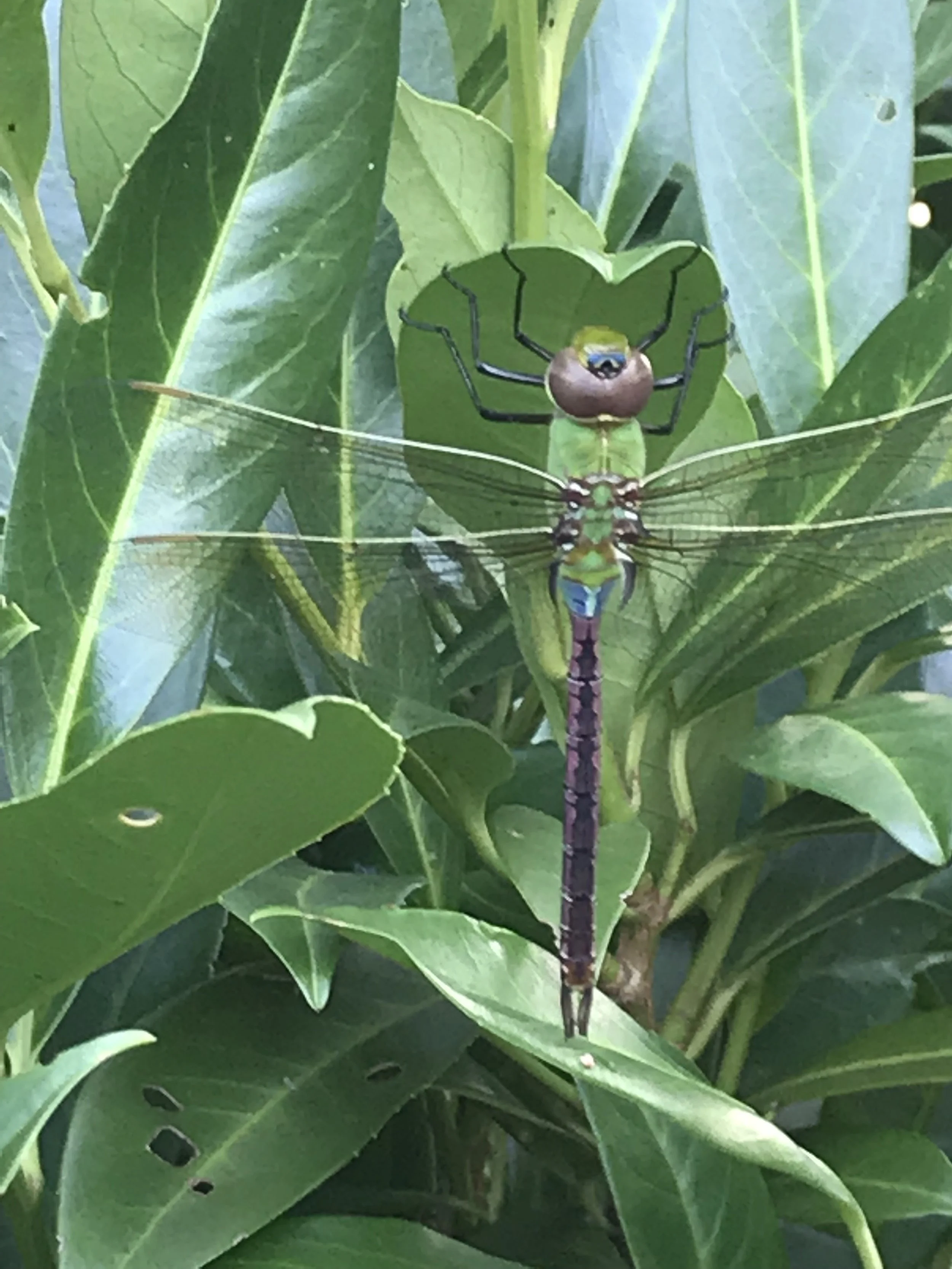
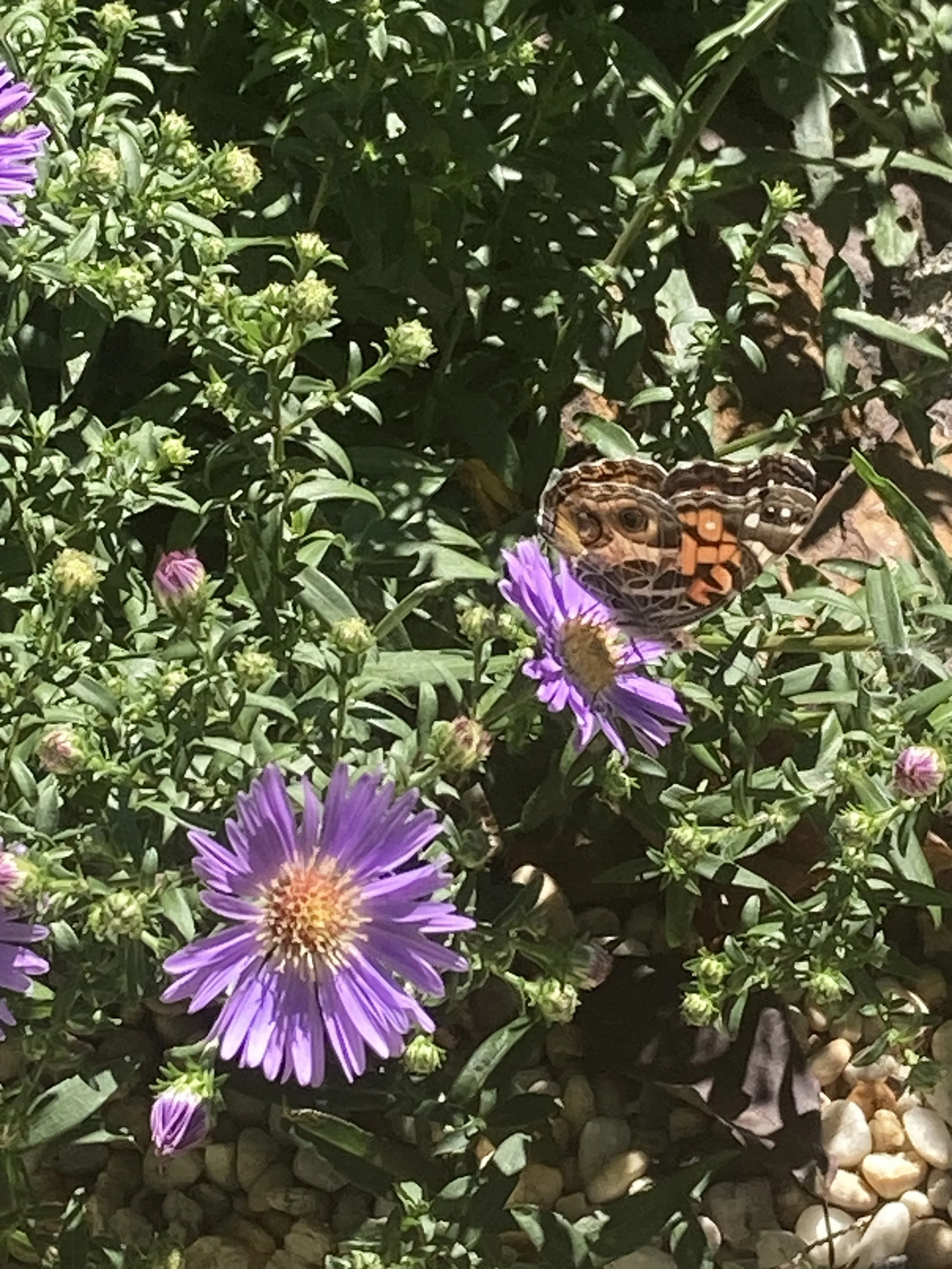
Natives are low to no maintenance garden heroes that we all can appreciate. Fussy plants that force us to tend to them have fallen out of favor, along with the hired staff needed to do that constant work - ha. 😉
With increasing water rationing, we’ve all come to appreciate that they need less water; thus preserving a precious natural resource.
When researching and studying garden history like I love to do, I came to understand that folks everywhere always wanted the exotic ~ those garden elements that would make us look more culturally refined, and well, yes, wealthier.
“Conspicuous Consumption” was ignited first by those dramatic and curious Victorians who powered up their status by showing off their exotic plants, most often brought back from far-away regions by adventurous plant hunters.
Plants confirmed both their wealth and their enlightened appreciation of science and the arts.
In an interesting kind of switcheroo of what’s exotic today, I'll share an example. I’ve held the opinion for some time that the world-class landscape designer Piet Oudolf who hails from Haarlem ~ the Netherlands, not our Harlem in NYC (!) ~ made his mark on the world’s landscape stage using our North American prairie grasses.
See what I mean? We all covet what is from another place. Or time.
We can’t seem to quit this habit! Till now.
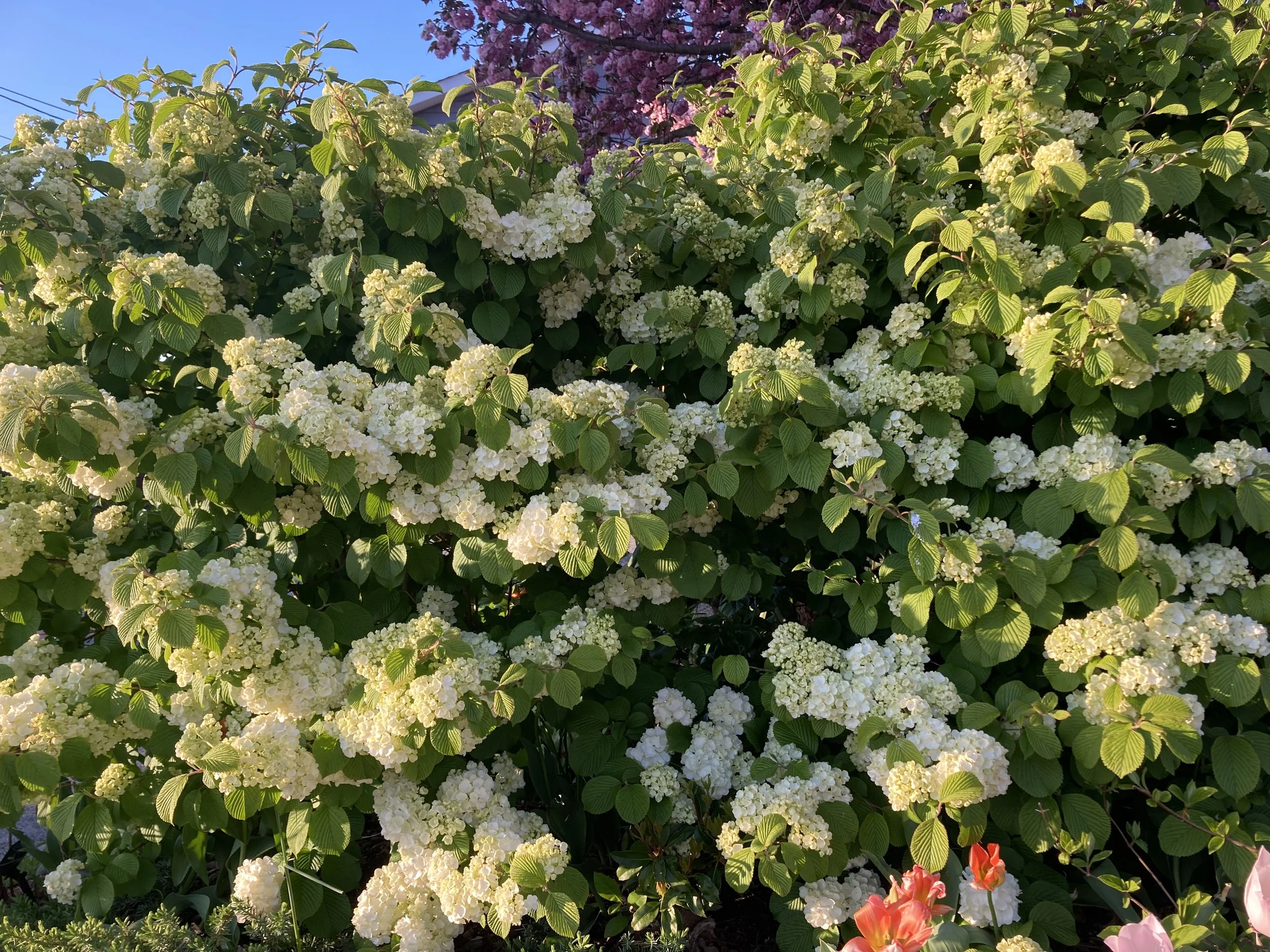
My beloved Viburnum ‘Popcorn’ in spring
The Carrot or the Stick
After some fits and starts, I really believe we’re in the zeitgeist or the spirit of using natives and nativars.
It used to be that as a garden designer I’d create a garden that used many natives but then couldn’t purchase them from the nurseries so had to change them out for the hybrids or exotics.
Slowly but surely, the nurseries “got the memo” and have been growing natives in quantities that will support the burgeoning desire to create enduring gardens using a majority of native plants.
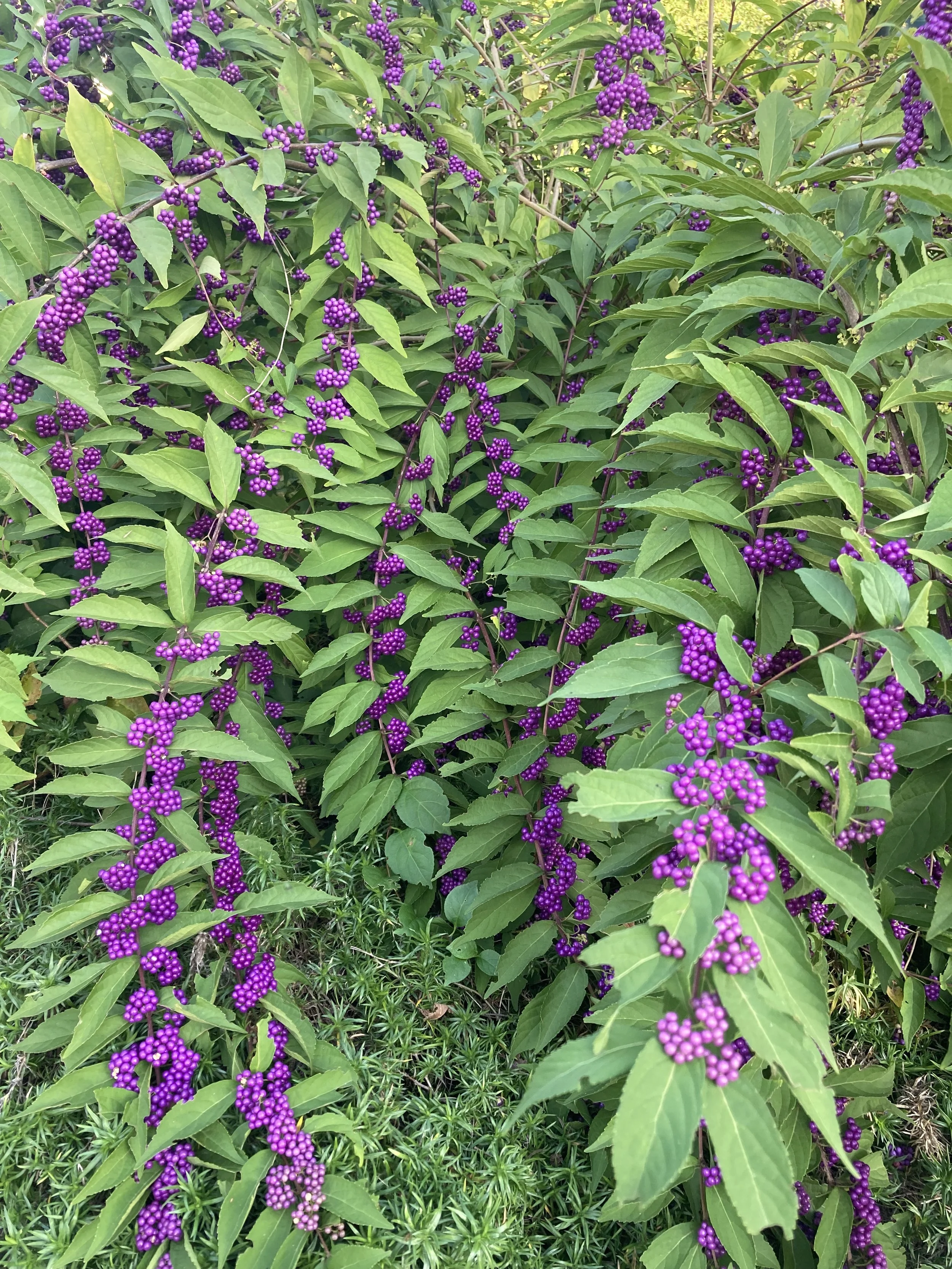
A client’s Callicarpa americana ‘Beautyberry’
In a future post, I’ll talk more about designing with Native Plants. It’s a category of garden design that I believe takes a more practiced, dedicated, and experienced pro to create a stunning, native pleasure garden, rather than a cookie-cutter (mostly suburban) manicured design with their high-maintenance lawns and mainly European or tropical plants. We can be inspired by genius loci, our own numen; its “spirit of the place.”
In terms of sourcing native plants, you’re in good company. Now that homeowners and garden lovers have embraced the Native Garden aesthetic they want the native and nativar (propagated native clones) of those plants we see at the shows and in the magazines.
But I understand that it’s still not easy to find sources so over the last few months I’ve been filing away, er, Curating, a list that, to my delight is, ahem, “growing.”
It’s now time for me to share the resources for spring plantings for you to create a “New Naturalism” garden; even though the list most likely has more resources than provided here. Some of these plant growers I’ve used with great results. Some are recommended via the professional organizations I belong to and some are recommended by plant and horticultural experts I know and trust.
Native Plant Resource Guide
In no particular order, here is where you can look to fulfill your Native Plant design via a Native Plant Palette. A sophisticated collection, I might add 😀
1. Garden for Wildlife ~ the web site offers native plants by zip code and by state and/or by geography such as “Drought Defenders” and “Shady Sanctuaries,” “Summer Songbird,” “Pollinator Power,” and “Monarch Munchables.” Cute…
They tell you what’s included in the Collection, provide Images, plant care, and benefits.
For example, they write:
Pollinator Powerhouse: Provides continuous nectar and pollen sources from spring to fall, supporting a variety of pollinators, including hummingbirds, butterflies, bees, and beneficial insects.
Habitat Support: Contributes to a healthy habitat by offering shelter and food for birds and pollinators.
Low Maintenance: Requires minimal care once established and adapts well to part-shade areas with moist, well-drained soil.
Pollinator-safe: Grown non-GMO and free of harmful neonicotinoids, promoting a healthy ecosystem for pollinators and wildlife.
Available in collections of nine, 18, or 27 plants to suit gardens of all sizes.
Planting Tips:
Location: Select a part-shade location with well-drained, moist soil.
Watering: Water regularly during the first growing season to help plants establish strong roots.
Maintenance: Minimal care required. There's no need to deadhead the flowers, as allowing them to go to seed provides a valuable food source for birds. Leaving grasses and stems standing in the fall provides shelter for fireflies and overwintering insects. If desired, cut back the stems in late spring after pollinators have emerged.
When I asked in chat: Plants are shipped from the closest grower to you. If your order has multiple items, they might come from different growers because not all growers cultivate every species we sell.
https://gardenforwildlife.com/collections/all-products
https://gardenforwildlife.com/collections/new-arrivals#
Planting wildlife gardens is a powerful way to reverse the decline of wildlife populations, doubling wildlife presence within one season.
Native plants provide food, protective cover, and safe havens for wildlife to raise their young. By simply adding a water source, you can transform your wildlife garden into a Certified Wildlife Habitat®. The Site has lots to explore: by Region and by state Natives.
2. HOMEGROWN National Park
https://homegrownnationalpark.org/ecoregion-finder/
Homegrown National Park® (HNP) raises awareness and urgently inspires everyone to address the biodiversity crisis by adding native plants and removing invasive ones where we live, work, learn, pray, and play.
Also can discover native plants and keystone plants, by region.
You can also search by pollinator:
For Seeds, you are redirected to
https://nativefloraseeds.org
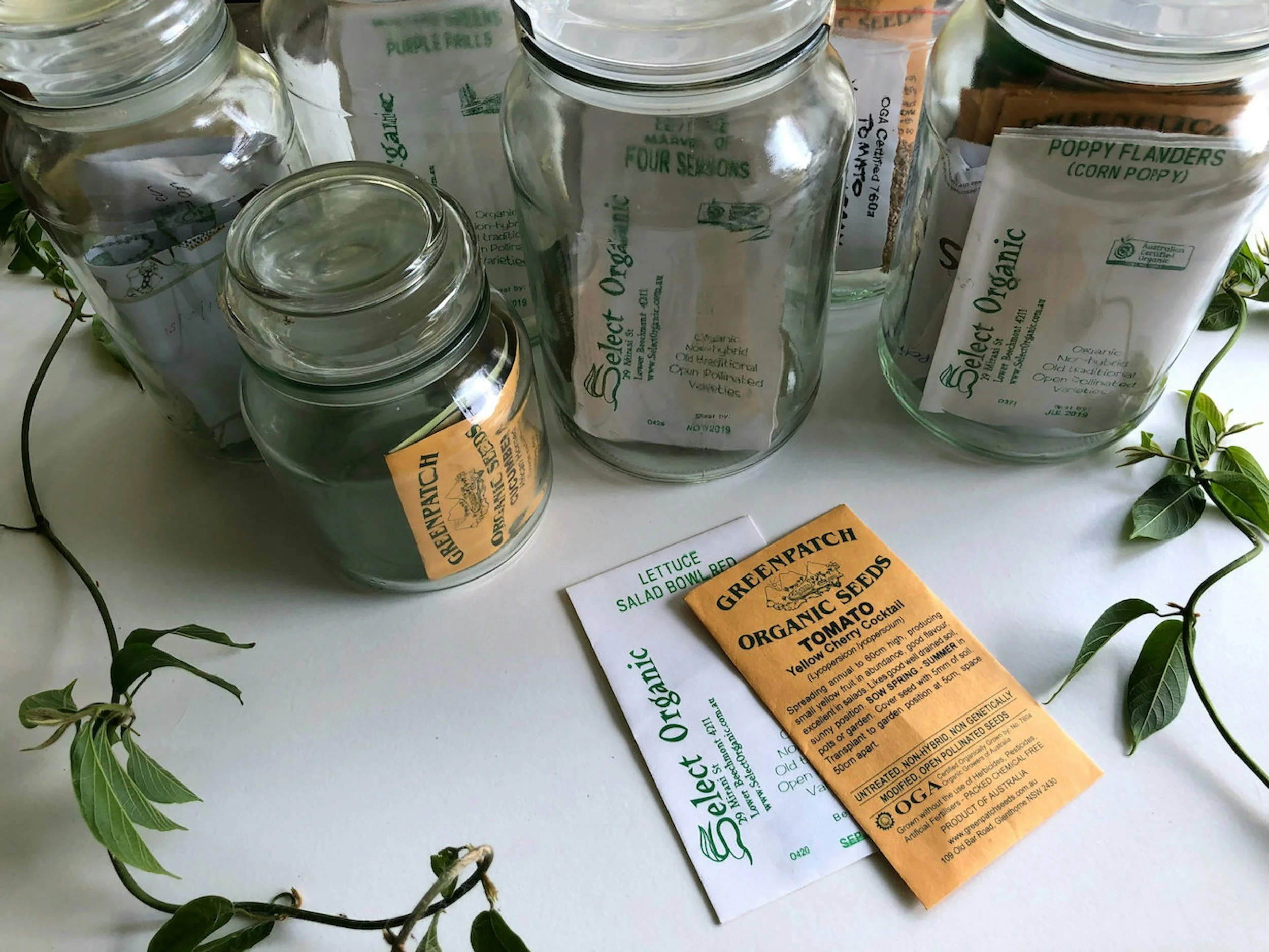
I appreciate this narrative they provided: (rather poetic, don’t you think?)
Small birds, mammals, reptiles, amphibians and fish depend on insects for a significant portion of their diet. A baby bluebird for example relies on its mother to deliver bugs to the nest. Those bugs in turn depend on plants to transform the energy of the sun into something edible. Plants use an array of poisonous or nasty-tasting chemical defenses to avoid being consumed, so most insects have evolved specialized relationships with specific plants, tolerating and even benefitting from those chemicals.
It takes millennia for specialized insect-plant relationships to develop. A well-known example is the monarch butterfly (Danaus plexippus) and milkweed (Asclepias spp.). Monarch mothers only lay eggs on milkweed species because monarch caterpillars have evolved the ability over tens of thousands of years to digest poisonous milkweed leaves other insects cannot eat. Replacing milkweed with day lilies for example, or another introduced plant, and expecting monarchs is not possible.
Online Retailers & Specialized Nurseries
3. IzelPlants.com Offers a wide variety of native plants from various growers.
4. PrairieMoonNursery.com Specialized in native seeds and plants.
5. ToadshadeWildflowerFarm.com Mail-order native plants and seeds. I adore this resource.
Have used and highly recommend
6. KindEarthGrowers.com Wholesaler with seasonal retail options.
7. WildRidgePlants.com Offers native plants from the Northeast and Mid-Atlantic.
8. PollinatorPathway.com Provides a directory of native nurseries state-by-state.
9. Monrovia now has Shop Monrovia Direct, and claims to sell “a wide selection of native plants online offering doorstep delivery for many varieties. Their online catalog includes numerous native perennials, shrubs, and trees tailored for specific regions, allowing for easy selection based on local ecology.” I will add that local nurseries buy from Monrovia growers and the plants are consistently good.
National & Regional Resources
10. Cornell Native Plant Guide Search for ‘butterfly host plants for your location to find local lists, books, etc. (Go Big Red ~ my dear father, George’s alma mater)
11. North American Native Plant Society is chock-a-block with information including events, local plant sales, planting tips and more…
12. Audubon Native Plants Database: Allows you to enter your zip code to get a list of native plants that support local bird populations.
13. The Xerces Society for Invertebrate Conservation: Offers pollinator-friendly native plant lists, including specialized guides for beneficial insects and bees. I’ve long been a Xerces member and supporter. I encourage you to join as well. Plus they provide handy little booklet updates that are so enlightening; fascinating.
Every State has a Native Plant Society and…
14. Lady Bird Johnson Wildflower Center Database: A comprehensive database allowing users to search by scientific/common name or filter by state, light requirements, and soil moisture.
15. NativePlantTrust.com New England): Curated plant kits and individual species.
16. LongIslandNatives.com NY): Specializes in container trees and plants for restoration.
17. ChiappiniFarmNativeNursery.com (FL): Specializes in native plants for the Southeast.
18. Mt.CubaCenter.com Provides lists of nursery resources in DE, MD, NJ, and Pa.
19. CiccioniFarms.com : family owned Garden State nursery, lots of Natives.
20. The Native Plant Nursery has compiled a terrific listing by region:
https://theplantnative.com/resources/native-plant-nurseries/
Visit and support your local plant sales. Many garden clubs and Master Gardener programs sponsor spring sales. Check out your local botanic gardens and arboretum, too; we provided them every spring at the botanic gardens I worked at. The money usually is used for the children’s gardening programs.
I salute your interest in building sustainable, enduring biodiverse gardens and hope these resources will provide you a ready resource to plant and grow a Native Plant Garden.
It’s the best kind of Garden Glamour 😉💚
Native Plant FAQ
1. "Why are native plants better for my garden?"
Answer: Native plants are evolved to thrive in our specific local climate and soil, meaning they require less water, fewer fertilizers, and almost no pesticides compared to non-native species.
2."Do native plants support local pollinators?"
Answer: Yes! Native plants provide the essential nectar, pollen, and seeds that our local birds, butterflies, and bees need to survive, creating a vital "digital corridor" for wildlife in your backyard.
3."Can I mix native plants with my existing garden flowers?"
Answer: Absolutely. Native plants can be tucked into any existing landscape. They add texture and "garden glamour" while doing the heavy lifting of supporting the local ecosystem.
4."Where is the best place to buy native plants?"
Answer: The best sources are specialized native nurseries and local plant sales, which you can find inmy [Curated Guide of 20 Resources] above.
