
Swedish Death Cleaning Advocate Dies ~ Her Legacy Endures; Plus, How to Prune Your Life
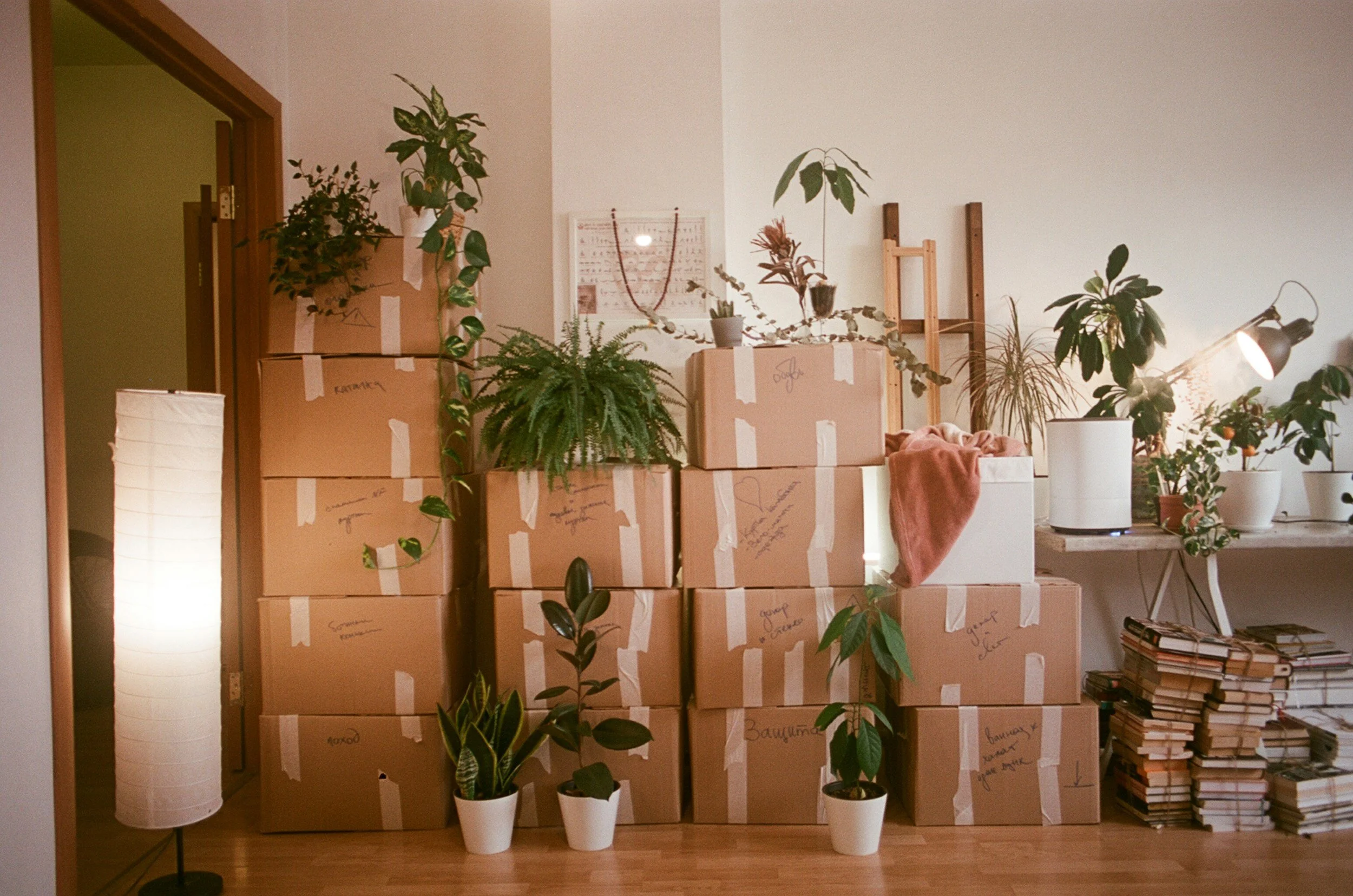
One woman's practical approach to death and the detritus we too-often leave behind just died, but her enduring legacy surely lives on. Margareta Magnusson, is the 91-year-old Swedish artist and author who popularized the "death cleaning" method (döstädning) in her best-selling 2018 book, The Gentle Art of Swedish Death Cleaning. Her work struck a chord; touched a nerve. And I believe the gift she bestowed upon us ~ Death Cleaning ~ is, pardon the expression, a life-changing one, and wanted to highlight it here for you.
Margareta promoted “the gentle, proactive practice of decluttering one’s home and simplifying life to reduce the burden on family members after death,” according to her obituary. She advocated that death cleaning is about living more peacefully in a curated home and leaving behind only what matters.
In Swedish, döstädning (dö meaning “death” and städning meaning “cleaning”) and Margareta made this cultural outlook into a global phenomenon. In 2019, Dictionary.com added the term “death cleaning,” citing the book. The concept also inspired a 2023 TV show on Peacock produced by Amy Poehler.

What are the Key Details on Swedish Death Cleaning (Döstädning)?
The Philosophy: It is a gentle, intentional process of organizing possessions to avoid leaving behind a burden for loved ones. It is not morbid but rather a joyful, reflective process, often done by those over 50 but useful at any age.
The Process: It involves decluttering, gifting items early to tell their stories, and reducing possessions to make life easier. It often starts with easier items, like clothes or closet items, rather than emotional mementos.
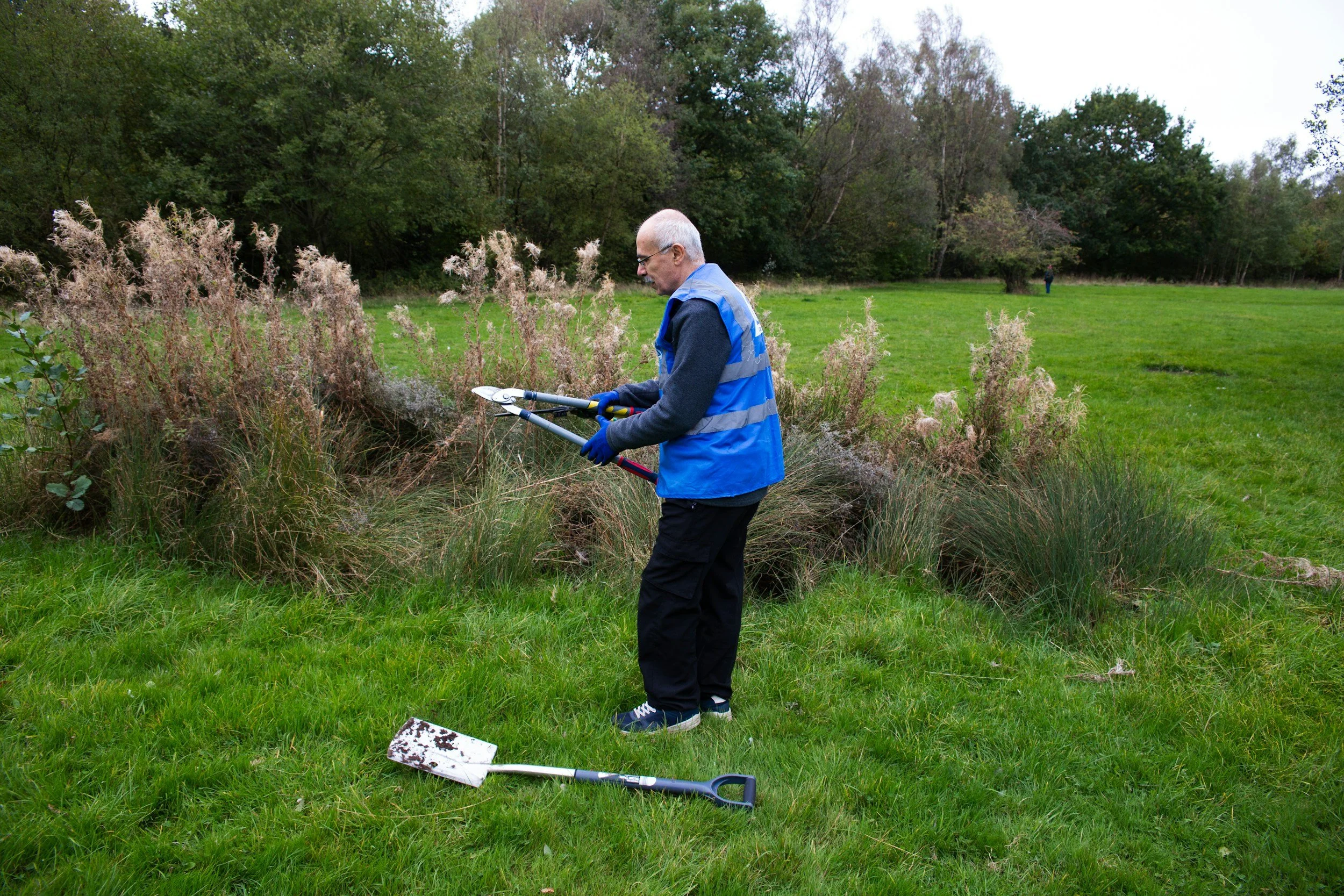
As a garden expert and enthusiast, I also recommend it as a way to “prune” your life. If we prune our trees and shrubs, and deadhead our plants with dedicated frequency, why not also do this for ourselves and regularly purge the things that have accumulated around us; that are holding us back from living a better, more abundant life?
It’s been reported that to Margareta, death cleaning was about a lot more than death. It meant sharing pieces of your life with others and making sure that someone else won’t be saddled with picking up after you when your time comes.
I’ve been a big fan of this practice and have advocated Death Cleaning as part of my own philosophy and as part of my Death Doula outlook. I’ve seen more than a few friends and family members struggle with disposing of “stuff.” When asked, I will say, “Americans especially, have too much s__t!” We all laugh, but it’s true! So think of it as an act of love to purge all the stuff that you don’t really need.
If it helps you when starting to pursue Death Cleaning, think about a family member or neighbor trying to clean out your home and when he or she looks into your closet and sees xxx ~ fill in the blank ~ what do you think their reaction will be?
If you wouldn’t want anyone to see what s__t, er stuff, you have squirreled away, let it go. Margareta mused: “But before it goes into the shredder, I have had a moment to reflect on the event or feeling, good or bad, and to know that it has been a part of my story and my life.”
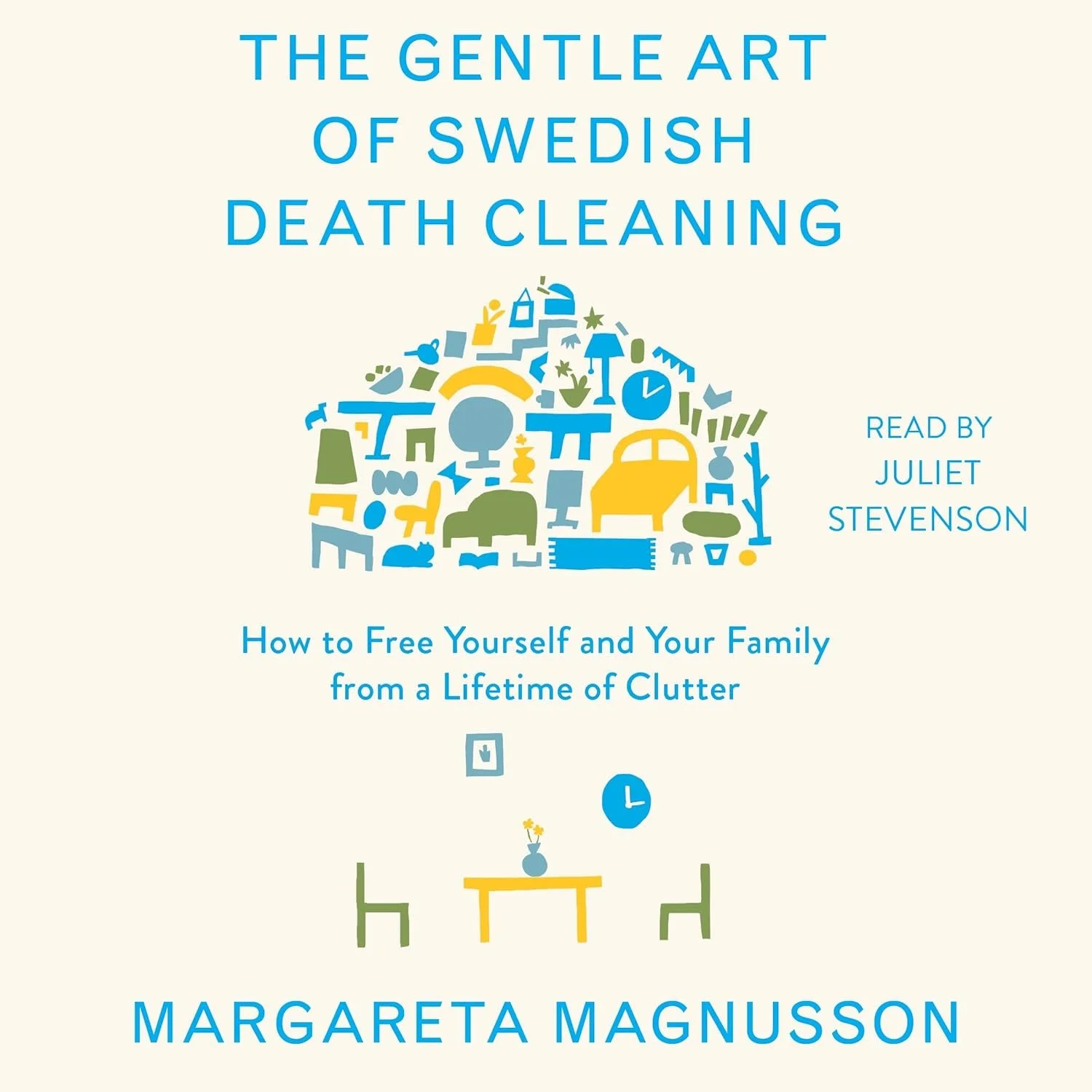
“No matter how much they love you,” she wrote in the book, “don’t leave this burden to them.”
From her book, Margareta advises:
Start your purge with forgotten items in cupboards and the attic, rather than emotionally weighty photographs and letters that you may never get through.
Books are too hard to sell, so invite people over to rummage around the titles you can do without.
Encourage friends to come and find treasures (and help you move the heavy stuff). And when you’re passing off your old objects, share the stories of how they came into your life with the new owners.
Margareta also addressed the subject of how to initiate a conversation about death cleaning and I pass that on here:
An adult child, for example, might approach the topic with a parent by asking, “Is there anything we can do together in a slow way so that there won’t be too many things to handle later?”
The idea for Death Cleaning came from a conversation that Margareta’s daughter Jane had with a friend in the United States, who was complaining that he didn’t know what he was going to do with his father’s possessions after he died. Jane replied that she wouldn’t have that problem, because her mother was always “dostadning.”
The friend, who worked in publishing, was intrigued and eventually asked Ms. Magnusson to write the book.
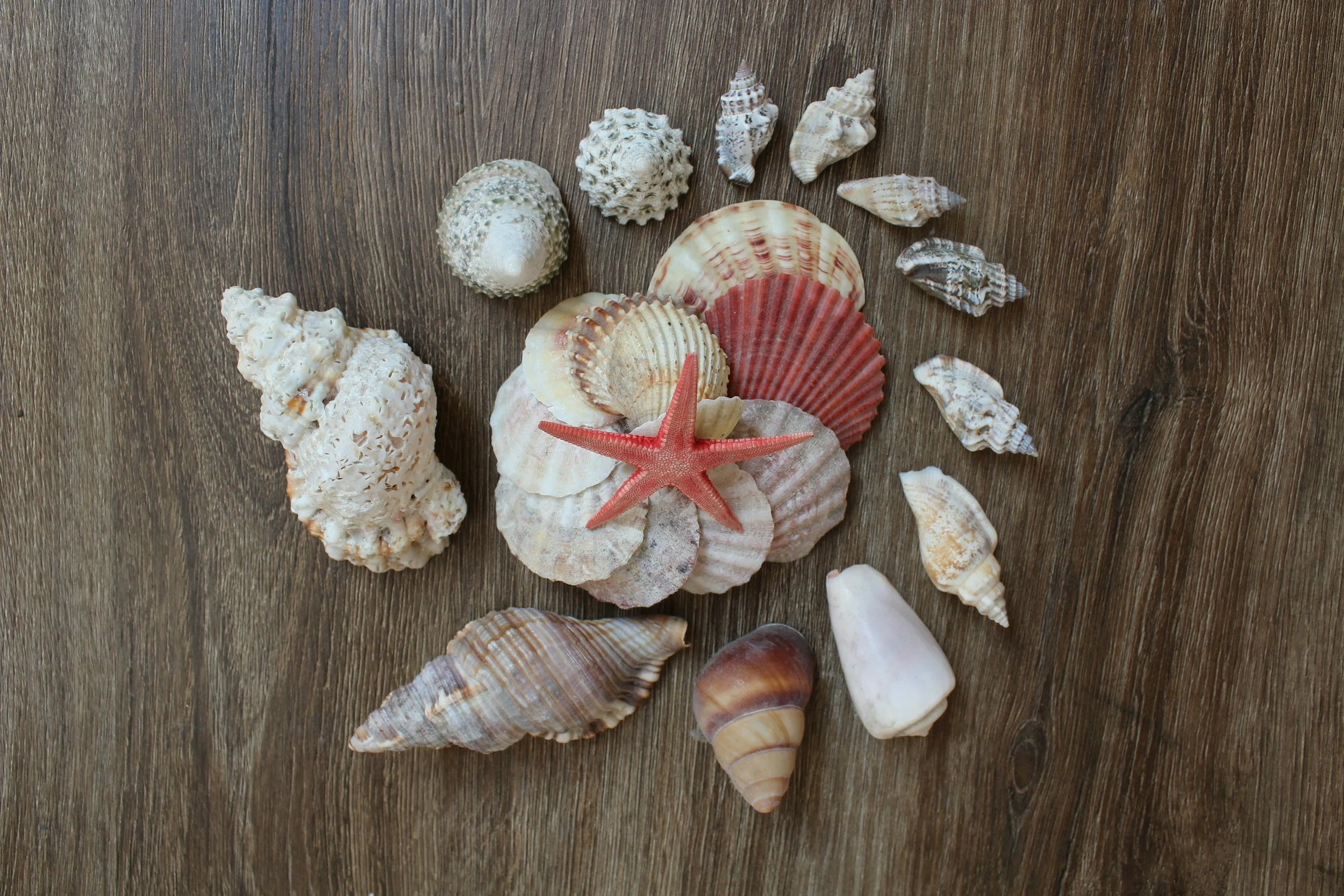
Just as giving away objects becomes an opportunity to share stories with loved ones, Ms. Magnusson wrote in “Death Cleaning,” so does choosing to keep other things. She kept an assortment of shells that she had collected along the Swedish coast as a child, while disposing of most of her children’s baby clothes. But she kept a few pieces that her mother had made, just in case she was “blessed with grandchildren,” she said.
Margareta also wrote The Swedish Art of Aging Exuberantly: Life Wisdom From Someone Who Will (Probably) Die Before You, a book of essays about what she called the “discoveries I have made about becoming very old.”
“Remember that the process of death cleaning is ultimately in service to two larger points,” she wrote in the prologue. “To be less afraid of the idea of death, for it comes for all of us, and to remember that after you’ve death cleaned, no matter how ancient you become, there are always new discoveries, new mind-sets through which to see your life and the experiences you have had.” There are also, she added, “new and familiar pleasures to be had every day — even as the final visit of Mr. (or indeed Miss!) Death approaches.”
I often say something like this when talking about my mother who will turn 101 years old in a few months. Understandably, everyone is always interested in the secret of how she’s done it. While Mother readily cites her religion and her family, I add that, no matter what age we are, we need to feel a sense of wonder; a feeling of awe of what life can bring. To believe in the miracle of possibility and opportunity.
Those are the pleasures to be had every day that we can cultivate. As Margareta noted…

I hope you can embrace your own form of Death Cleaning.
Here is an insight into Death Cleaning with a video interview and tour of Margareta’s home.
